By Marjan Yashayaie
Diary of Restoration and Revival of Jewish Historical Sites in the Oudlajan Neighborhood (1).
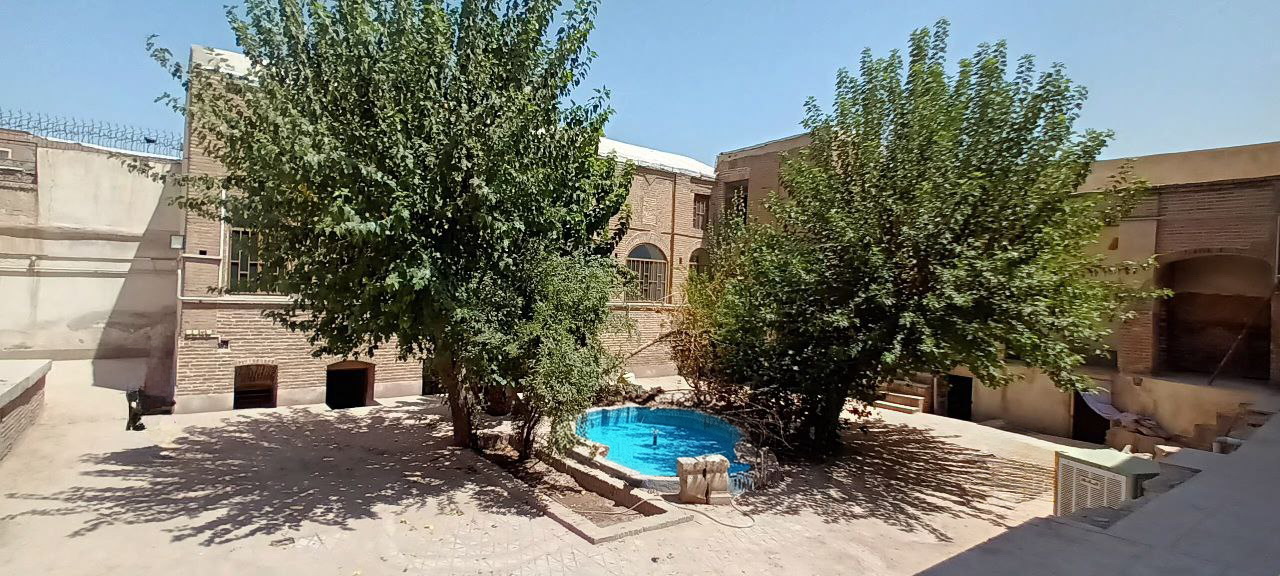
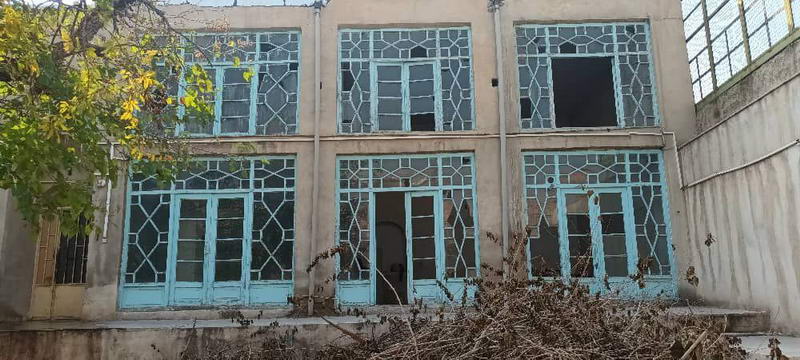
The Synagogue of Ezra Yaqub is one of the most valuable and beautiful synagogues in Tehran, located in the Oudlajan neighborhood. It was established in 1273 in the Persian calendar (1894 ) during the reign of Nasser al-Din Shah, thanks to the efforts of Sanobar Khanum, the wife of Ezra Yaqub, based on her late husband's wishes.
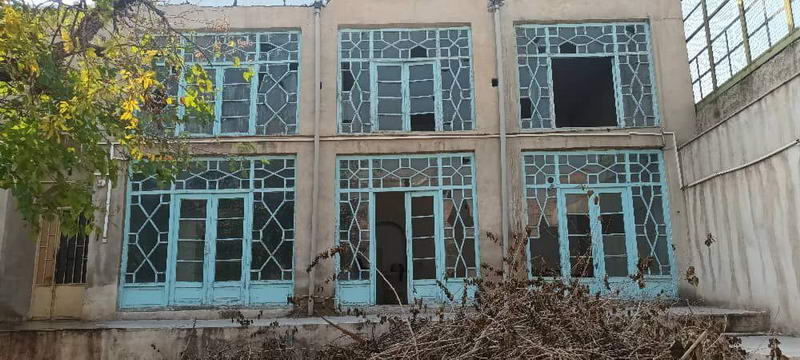
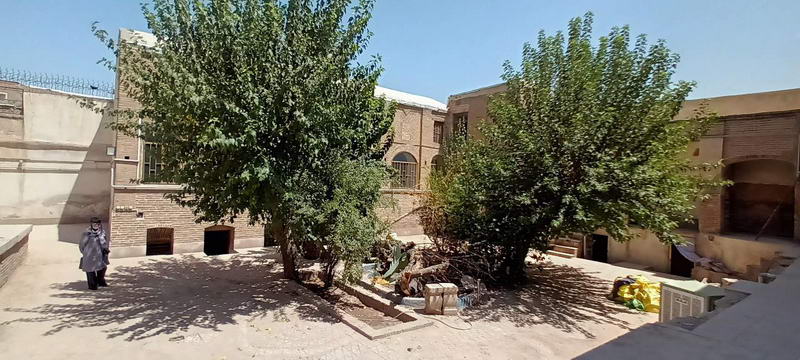
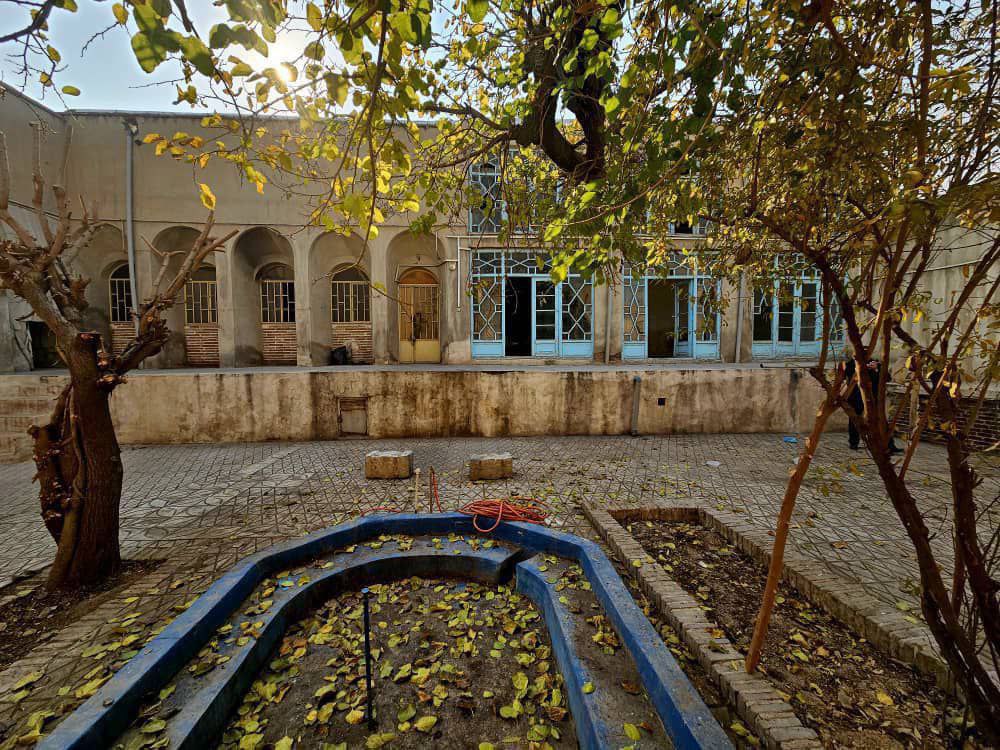
Its spacious courtyard, ancient trees, and beautiful architecture make it one of the important tourist attractions of Oudlajan. However, due to the caretaker's deteriorated mental state, it had unfortunately been closed for the past year.
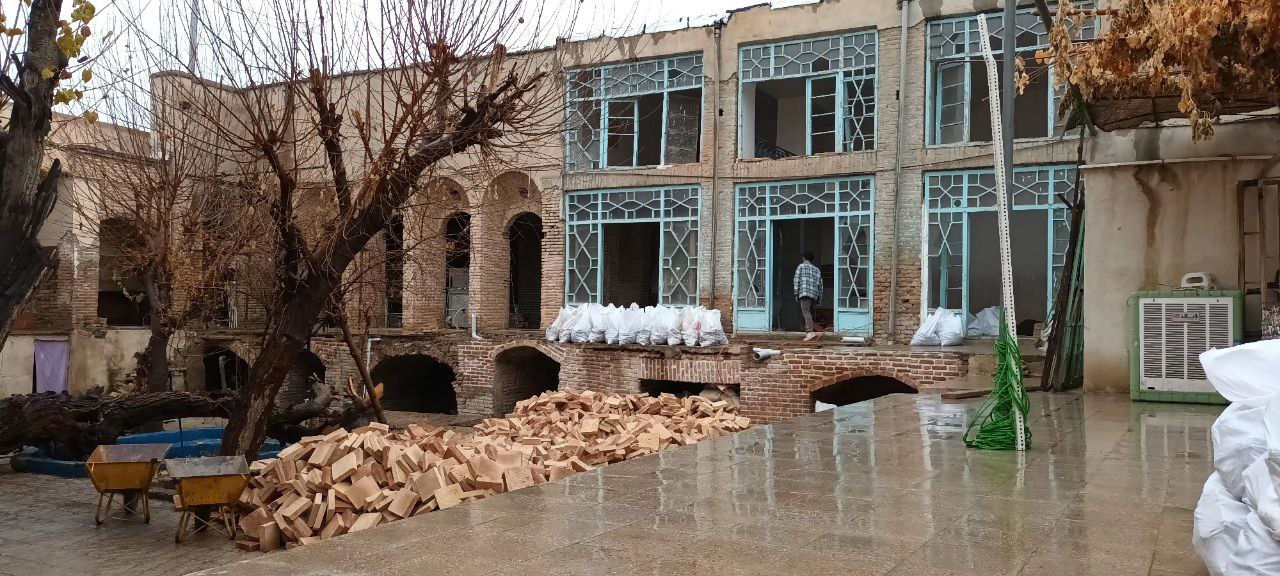
At the beginning of our work, after overcoming difficult procedures, we managed to open the door and prune the garden trees. Now, we must begin the restoration of parts of the Ezra Yaghoub Synagogue. Although these sections were renovated less than 20 years ago at the personal expense of Haroun Yashayaie, parts of it require reconstruction again today. And once again, we arrive at one of the major challenges of this crucial task: financial resources..
Marjan Yashayaie
Diary of Restoration and Revival of Jewish Historical Sites in the Oudlajan Neighborhood (2): step 1 Begins
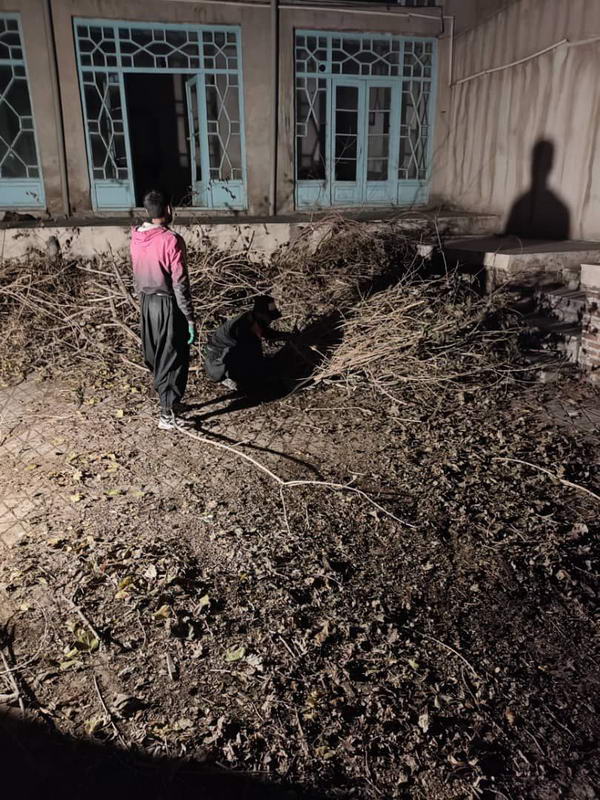
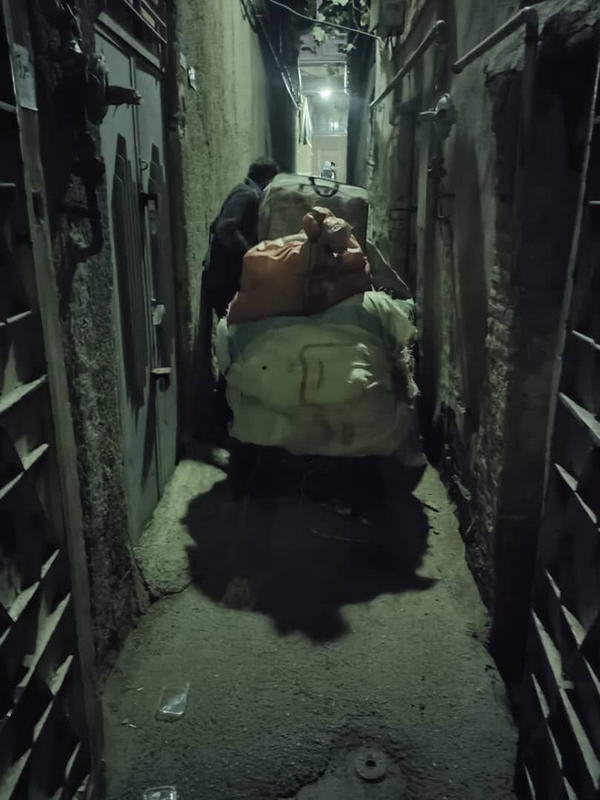
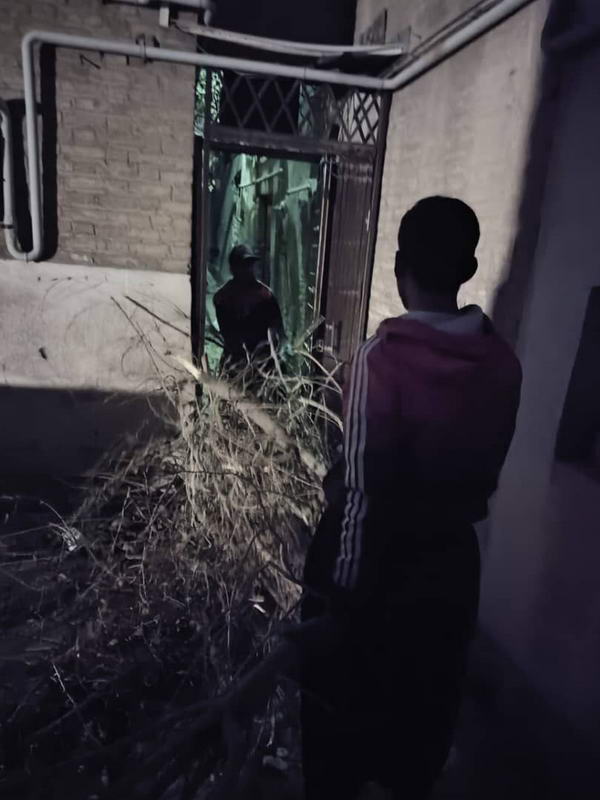
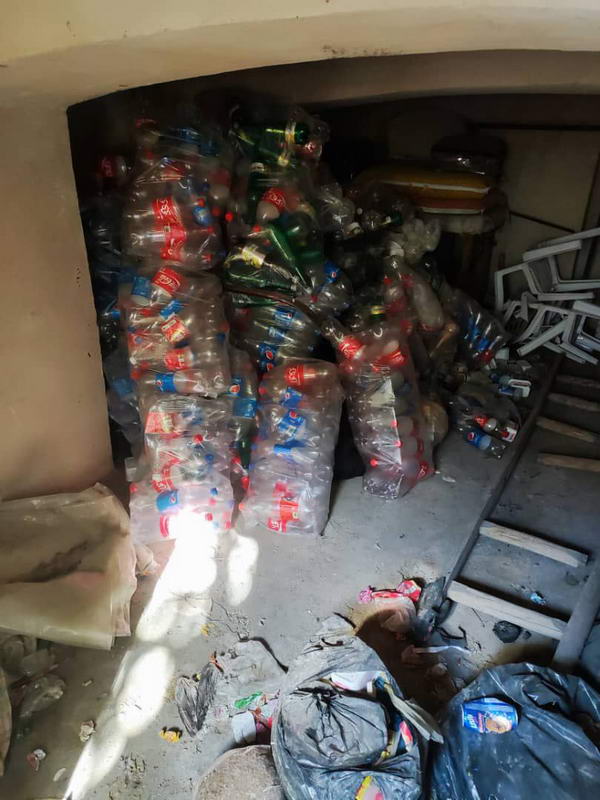
The operation to remove debris, waste, and pruned tree branches began at 8 PM on Thursday and lasted until around 1 AM this Friday morning. The major problem during this stage was the narrow alleys, which made it impossible for dump trucks to pass. Therefore, workers had to manually transport more than two truckloads of material using wheelbarrows through the narrow lane leading to the synagogue to load it onto the trucks.
The next steps to complete are:
1. Installing windows for the synagogue and repairing the doors.
2. Conducting a general cleaning of the building.
3. Appointing a new caretaker.
4. Returning the Torah scrolls and the Hekhal curtain (Ark curtain) to the synagogue, which had been moved to a safe place to prevent theft.
5. Holding a Shabbat service in the Ezra Yaghoub Synagogue by the end of next week or the week after.
The plan of the team, consisting of Marjan Yashayaie, Farzad Toubian, and Davood Goharian, is to transform the southern rooms into a dignified and beautiful cultural and tourist site in the next phase, with the help of the Tehran Jewish Association and members of the Jewish community interested in Iran's Jewish historical heritage.
And again, the major challenge of financial resources remains, although it is not intended to stop our progress.
Marjan Yashayaie
Diary of Restoration and Revival of Jewish Historical Sites in the Oudlajan Neighborhood (3): A Call for Heritage Stewardship
The Jewish People Must Be the Custodians of Their Own History
For some time now, the restoration and revival of historical buildings—which represent a part of the history and collective memory of people who lived in the near or distant past—have become a serious topic. Neighborhoods, especially in the centers of large and small cities that were once declining into decay, dilapidation, and ugliness, are seeing their houses and mansions rediscovered, receiving attention, and beautifully re-emerging from rubble and waste. Their stories are retold, prompting the younger generation to reflect on their roots. Urban centers like Lalezar and Oudlajan, with their long and eventful histories, are being redefined, restored, and adorned anew.
Amidst these positive developments, a fundamental question arises: Should these places primarily be sources of profit?
For example, we (the Board of Trustees for the Hadash and Ezra Yaghoub Synagogues, consisting of Haroun Yashayaie, Marjan Yashayaie, Farzad Toubian, Davood Goharian, and Shervin Shirazi) are determined to restore and revive these buildings. They play a significant role in understanding the history of Tehran's Jews and have recently attracted the attention of tourist groups. Should we focus on the quick returns from these unique buildings, potentially compromising the restoration through hasty and sometimes unprofessional actions? Or should we embark on this path with a cultural and forward-thinking perspective, with patience and without a profit-driven motive?
The collective decision of the Board of Trustees is the second path. Our intention is to carry out the restoration steps for these synagogues with maximum care and meticulousness, ensuring they become a source of pride and honor and an important element to reveal the dark historical points of Iranian Jewish community for the Jews of Iran and the world. For this, we need the support of the Jewish community. It is the Jewish community itself that must appreciate its heritage; otherwise, no matter how hard our group tries, the work cannot be successfully completed without the help, cooperation, and participation of the people.
Unfortunately, the culture of preserving history, especially historical buildings, is very weak within the Iranian Jewish community. Our hope is that by presenting a suitable model, we can attract the interest and support of Iranian Jews, both in Iran and other parts of the world, for this important cause.
Marjan Yashayaie
Member of the Board of Trustees for the Oudlajan Synagogues (Hadash and Ezra Yaghoub)
Diary of the Restoration and Operation of Oudlajan Synagogues (4): A Milestone Reached
Reopening of Ezra Yaghoub Synagogue After 4 Years
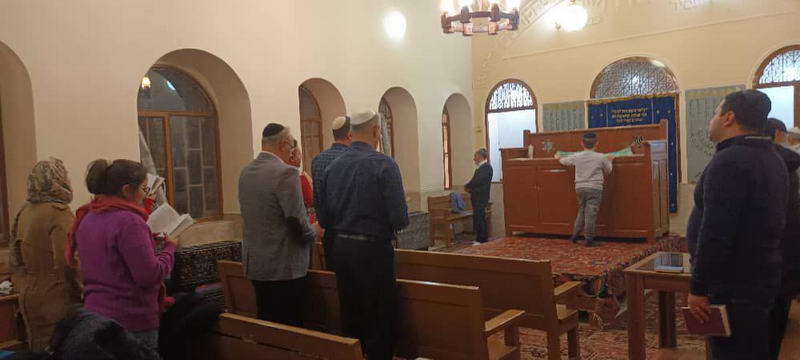
Last week's Shabbat evening, December 27th (7 Dey), the Ezra Yaghoub Synagogue was reopened for Hanukkah after a hiatus of about four years. This Qajar-era synagogue, one of Tehran's oldest, hosted a significant gathering of worshippers and supporters dedicated to preserving our Iranian Jewish historical heritage.
We thank all who came and invite those who could not attend to join us in the future. At the earliest opportunity, we will begin the restoration and revival of the southern courtyard wing. I hope that within the next six months, we can launch the cultural and historical section of the complex.
Soon, after opening a bank account and printing donation receipts, we will reach out to you, dear community members, to seek financial assistance. We have also made arrangements so that our dear friends abroad can support us in this endeavor.
Diary of the Restoration and Operation of Oudlajan Synagogues (5): Good News on Funding
We are pleased to announce that shortly after sharing the account details and requesting help from our dear community members for the restoration of the Qajar-era Ezra Yaghoub Synagogue, sufficient financial resources have been collected to begin Phase 1 of the restoration plan. We thank all the enthusiasts who have supported us in this endeavor.
God willing, after contracting with skilled craftsmen, we will commence the work. Phase 1 includes removing the cement walls and the courtyard floor, restoring the complex's appearance to its original state from 130 years ago. The Board of Trustees of the Hadash and Ezra Yaghoub Synagogues intends to complete the work with maximum precision and quality at the lowest possible cost. For this reason, no contract has been signed with a general contractor so far. A financial report will be provided after the completion of Phase 1.
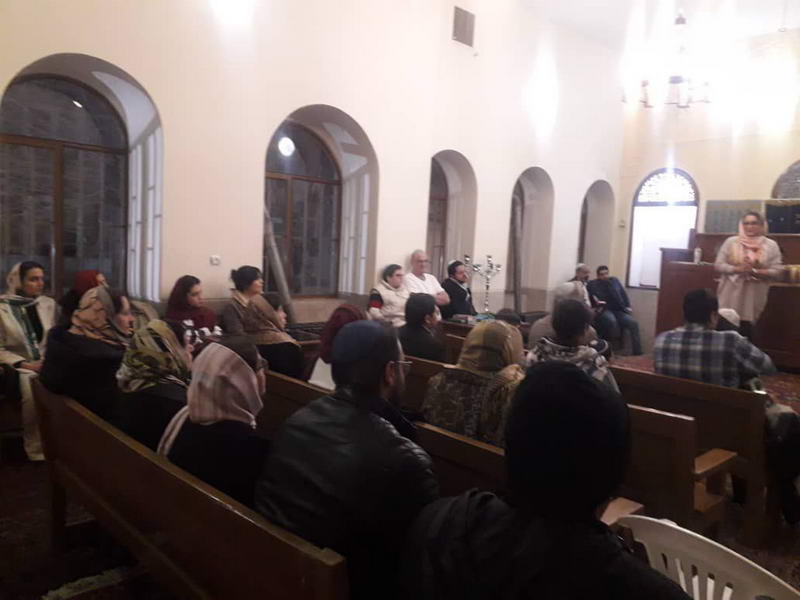
Additionally, last week's Shabbat service was held with a large attendance, which is very encouraging, and we hope this continues.
Diary of the Restoration and Operation of Oudlajan Synagogues (6): Preserving Memories
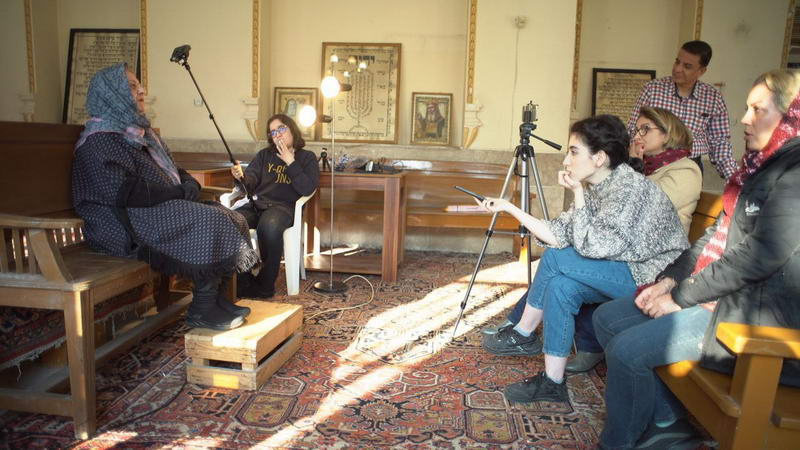
The first session for recording the oral history of the Oudlajan neighborhood and the Ezra Yaghoub Synagogue kicked off today, Tuesday, January 14th, with the participation of Mrs. Morvarid Soleimani (Saeed), the mother of our dear friend Liora Saeed. The significance of Mrs. Soleimani's memories lies in her female perspective on life in the neighborhood, which holds many previously unknown aspects.
From the outset, the Board of Trustees of the Hadash and Ezra Yaghoub Synagogues intended not only to physically restore the Qajar-era synagogue but also to record the oral history of the neighborhood—specifically, the memories of individuals who lived there—in video format. This effort aims both to preserve this history and to produce an approximately one-hour documentary about the process.
An important point in Ms. Soleimani's remarks was the presence of the Zionit Women's Organization on the southern side of the complex. This organization was at its peak of activity in the 1950s and 1960s in Iran, and Jewish and Muslim women from the neighborhood jointly benefited from its services and sessions.
Diary of the Restoration and Operation of Oudlajan Synagogues (7): International Recognition
The Austrian Academy of Sciences, Center for Iranian Studies, has invited Marjan Yashayaie to deliver a lecture titled "Restoration of Synagogues and Preservation of Iranian Jewish Historical Neighborhoods" at the workshop on "History, Society, and Memorials of Iranian Jews," scheduled for June 16th and 17th, 2025, at the Academy.
The invitation letter states: "She is one of the key individuals responsible for the preservation of Iranian Jewish cultural heritage and an important collaborator in the research group at our Academy."
P.S. It appears the Austrian Academy of Sciences has been following the diary entries about the Oudlajan synagogue restorations on my Facebook page and sent the invitation based on that and other recognitions.
I am delighted for this opportunity to speak about Iranian Jewish culture at reputable international centers. Whether the Austrian embassy issues a visa or not is secondary; receiving the invitation itself indicates we have taken the right path. All travel expenses will be covered by the Academy.
Diary of Restoration and Operation of Oudlajan Synagogues (9): The Work Commences
The Work Finally Begins
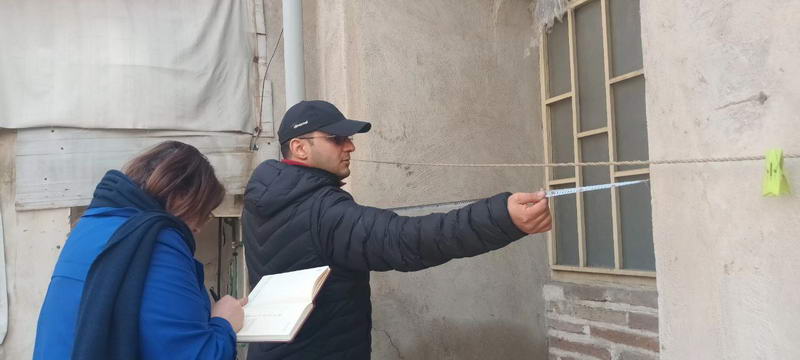
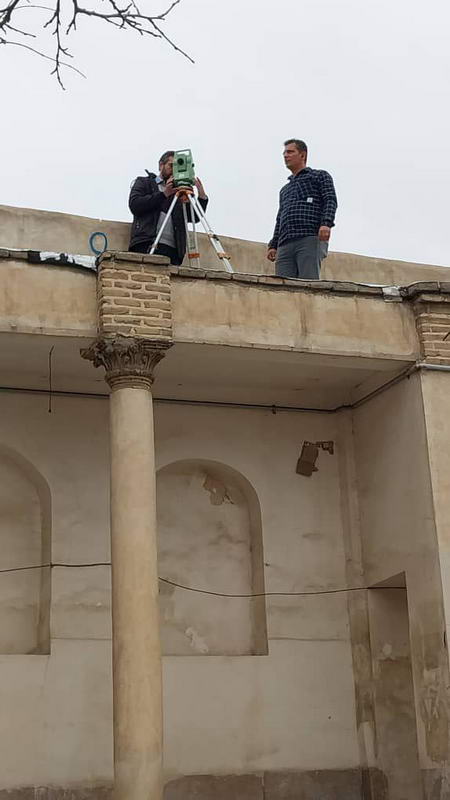
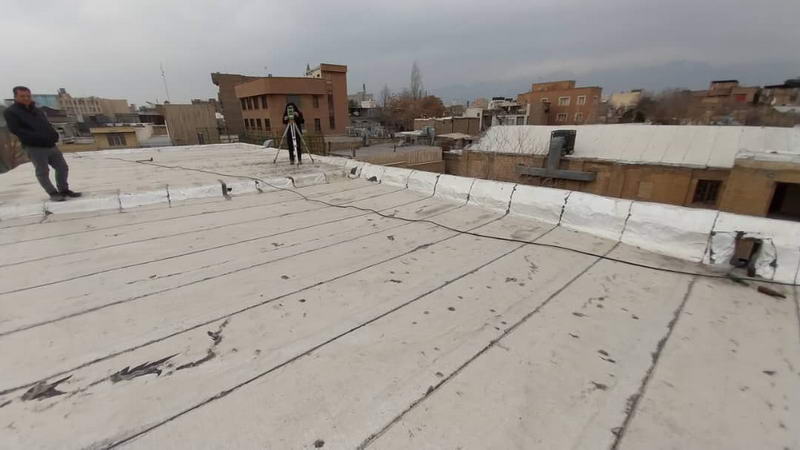
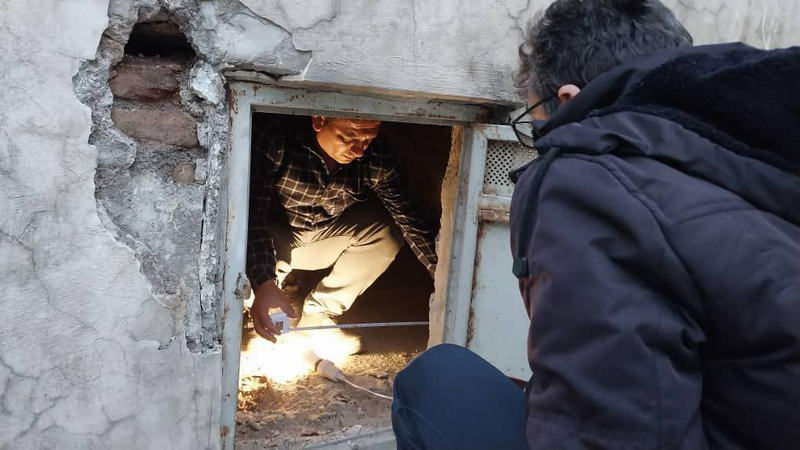
After about two months of consultation with the most experienced professors of historical building restoration and revival, we concluded that the restoration work must begin with a topographic survey of the building. More than 13 decades have passed since the construction of the Ezra Yaghoub Synagogue. Some walls are damp, and others have cracked due to land subsidence and require repair.
However, all the experts who have voluntarily collaborated with us so far agreed that for the proper restoration of walls and windows and an accurate cost estimation, a survey of the building must be conducted first. For this reason, the Board of Trustees signed a contract with a surveying team to answer some questions about the structure, including how to drain its vast Ab Anbar (water cistern).
The survey has been completed, and we are now awaiting the experts' opinion on where to begin. The cost of the survey was approximately 26 million Tomans, paid from the generous donations from you, our dear supporters.
Diary of Restoration and Operation of Oudlajan Synagogues (10): Esteemed Experts Lend Support
Iran's Restoration Masters Have Come to Help
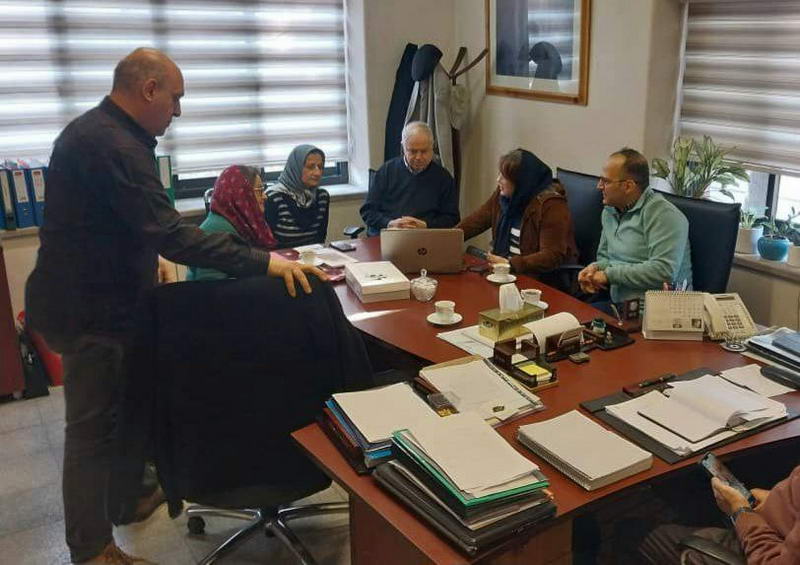
Continuing our expert consultation sessions, a meeting was held today, Tuesday, February 18, 2025, at the office of Mr. Engineer Akbar Taqizadeh, a master of historical building restoration, head of the Tabriz Grand Bazaar restoration project, and winner of the international Aga Khan Award for Architecture, located in the Masoudieh Mansion.
During this meeting he spoke about the importance of connecting historical buildings with the local community and the necessity of solidarity between the people and the historical fabric.
The pro-bono collaboration of distinguished masters such as Mr. Akbar Taqizadeh, Mr. Behrouz Marbaghi, and Ms. Mehrtash is an honor for the Board of Trustees of the Western Oudlajan Synagogues.
Diary of Restoration and Operation of Oudlajan Synagogues (11): Revealing Hidden Beauty
The Beautiful Face of the Qajar-era Ezra Yaghoub Synagogue Finally Revealed
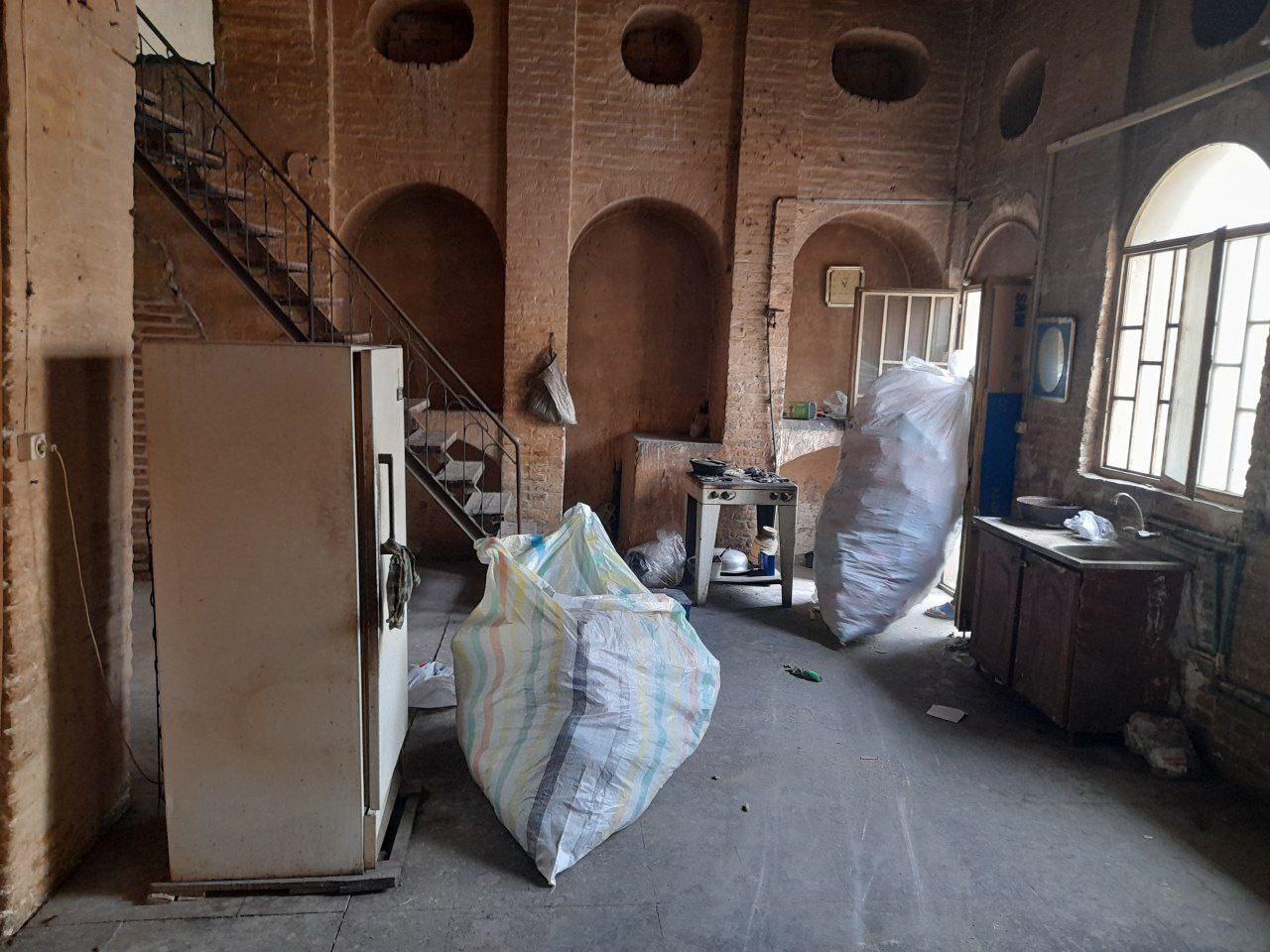
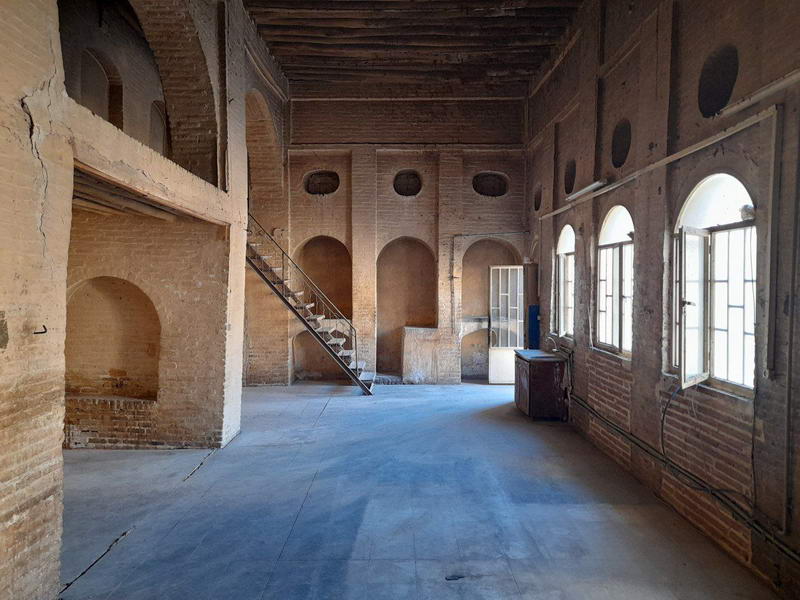
Finally, after five cleaning sessions, the Qajar-era Ezra Yaghoub Synagogue, nestled in the heart of the Oudlajan neighborhood, has been completely cleansed. Hundreds of kilograms of spoiled food and nearly three tons of waste and unused electronic devices were removed from every corner of this large complex and taken for disposal.
The fifth cleaning session, aided by three service personnel, started at 10 AM and lasted until 7 PM. The next stage involves washing the rooms, especially the room known as the Massa baking room followed by disinfection and fumigation. The Board of Trustees anticipates this work will be completed by the end of Esfand (mid-March).
Diary of Restoration and Operation of Oudlajan Synagogues (12): Formalizing the Next Stage
Restoration Contract for Ezra Yaghoub Synagogue Signed
After six months of numerous meetings with experts, the restoration contract for the historic Ezra Yaghoub Synagogue was signed today, Thursday, April 17, 2025, between the Tehran Jewish Association and Engineer Behrouz Morabaghi, an architect and university lecturer.
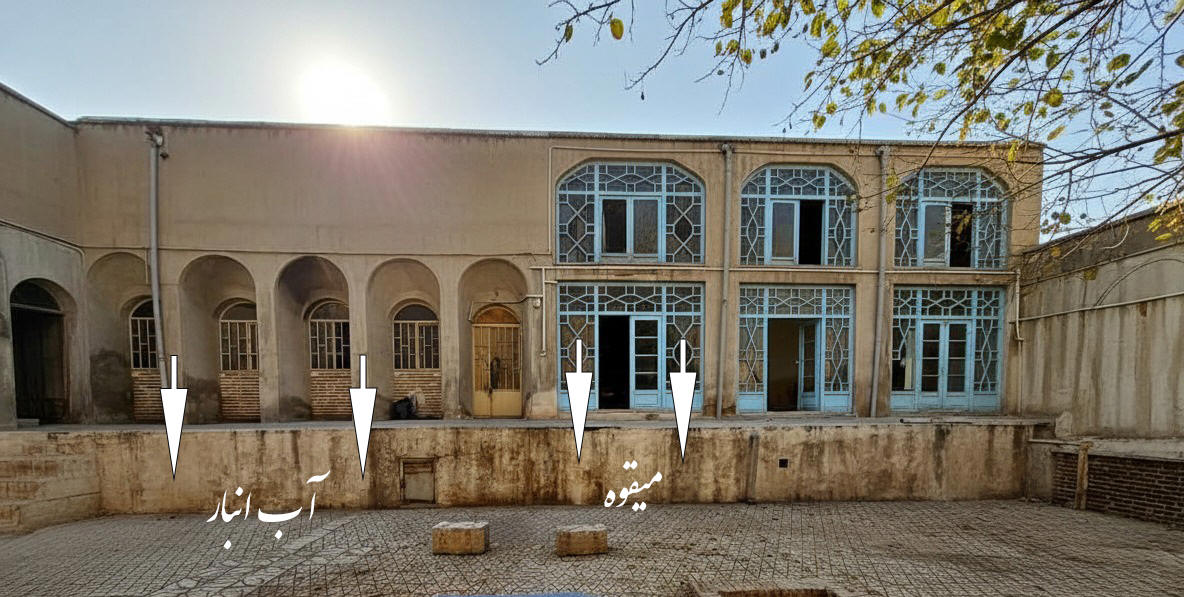
According to this contract, which details the technical and implementation phases, the restoration will begin from the southern facade. First, the Ab Anbar (cistern) in the southern section will be completely drained, and the cement linings of the cistern and the Masa baking area will be removed to expose the building's foundation. Subsequent steps, including repairing cracked walls and lightening the roof, will be carried out at the discretion of Engineer Morabaghi.
The Board of Trustees' decisions from the beginning were:
First, the building should be restored with maximum precision and the highest professional standards.
Second, the financial source for the restoration should be public donations.
While expressing immense gratitude to the respected Afshani, Sionit, sabi families and Mr. Fereydoun Nassiri, Dr. Siamak Moreh Sedgh, whose financial contributions helped make Phase 1 of this project operational, we hope that our dear community members, wherever they are in the world, will continue to support this important project.
We have no other financial resources besides you.
Diary of Restoration and Operation of Oudlajan Synagogues (13): Unearthing History
Buried Cisterns of the Qajar-era Ezra Yaghoub Synagogue Emerge from the Earth
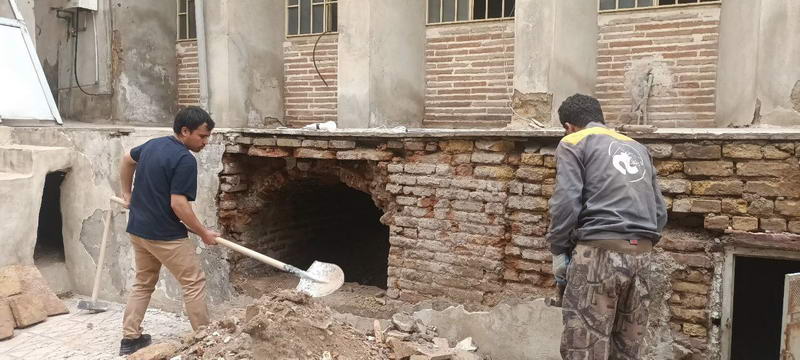
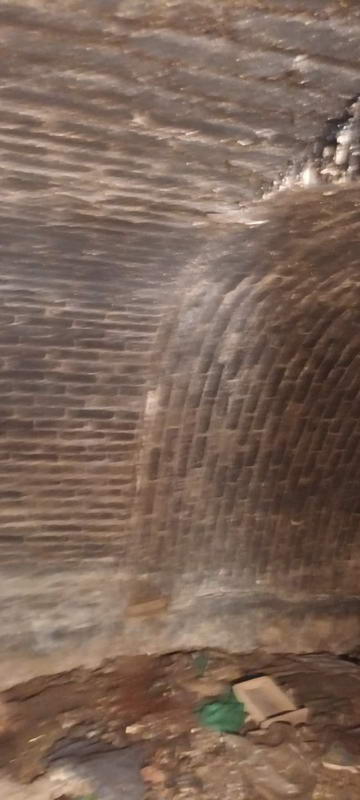
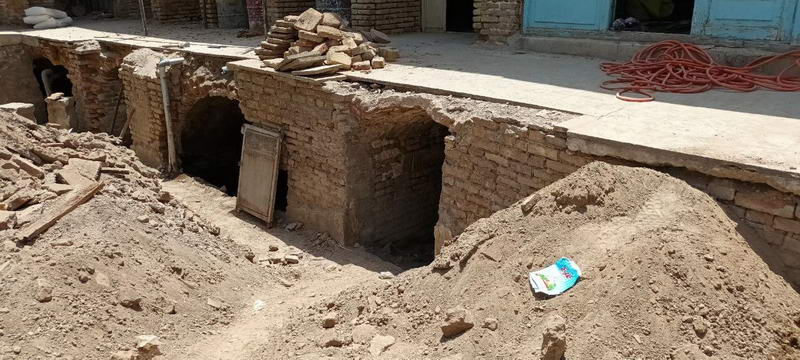
After more than seven months of effort, consultation with masters of historical building restoration, and exploratory work, the restoration operations have begun to reveal the faces of the vast and beautiful Ab Anbars (water cisterns) in the southern wing of the Ezra Yaghoub Synagogue. These cisterns were filled by government decree after piped water was introduced in the late 1940s, aiming to consign Tehran's traditional urban water supply methods to oblivion.
Today, however, the cisterns of the Ezra Yaghoub Synagogue are being unearthed for entirely different purposes: first, to find and eliminate the source of dampness that threatens the building's survival and health, and second, to utilize the vast space these cisterns can offer for cultural purposes in the future.
The builders of this structure, may their names be remembered forever, spared no effort in its construction nearly 130 years ago. Our minimum duty is to protect this precious heritage and unique gem.
Diary of Restoration and Revival of Jewish Historical Sites in the Oudlajan Neighborhood (14)
Secret Rooms Discovered Within Basements Buried in Earth
Under the direction of Behrouz Marbaghi, the expert and head of the Ezra Yaghoub Synagogue restoration project, the floors of the rooms known as the *matzah*-baking rooms were broken through. Secret rooms were discovered behind the basements that had previously been unearthed. The function of these rooms must be identified by heritage and archaeology experts, as well as knowledgeable members of the Jewish community. Our initial assumption was that this would be a standard restoration to revive this beautiful complex. However, the progress of the work has revealed that this building holds fascinating secrets, which are a part of the history of Tehran's Jews. As such, the synagogue is transforming from a place of worship into an important historical and national symbol. The Board of Trustees and the other dear supporters accompanying us in this historic and important endeavor hope to restore the identity of this historic building.
Diary of Restoration and Revival of Jewish Historical Sites in the Oudlajan Neighborhood (15)
The Unforeseen Scale and Complexity of the Ezra Yaghoub Synagogue's Basements
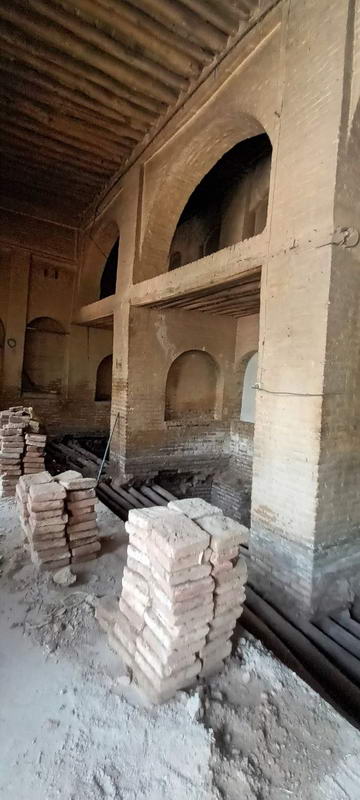
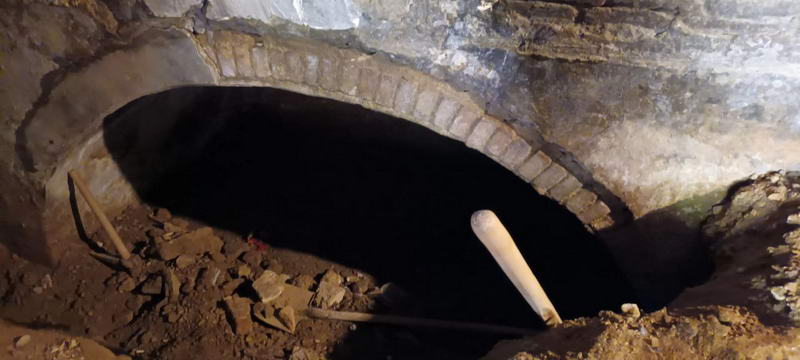
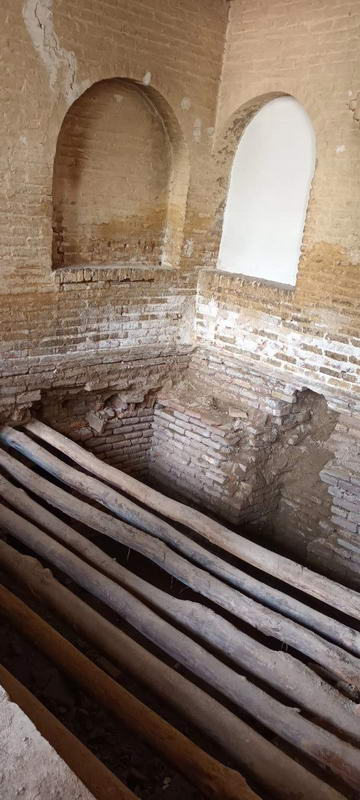
With each passing day of the restoration of the Qajar-era Ezra Yaghoub Synagogue, more wonders and secrets are revealed to us. As soil is gradually removed from the hidden basements, it has become clear that the building is grander and more extensive than we initially imagined, and consequently, its restoration is more complex.
The novel structure of the basements, whose function is still unknown, and the beautiful architectural composition of the complex point to a building that, according to numerous experts who have visited, may be unique and unparalleled among the Qajar-era structures in southern Tehran.
The current challenge for the restoration team is removing the massive volume of soil used to fill the basements about seven decades ago, and then addressing the 45-degree cracks on the southern walls—a dangerous sign of settlement due to the building's advanced age. Managing the restoration is the responsibility of an efficient team of university professors and experts who, under a contract with the Tehran Jewish Association, have been leading the project for about a month.
We are confident that the Ezra Yaghoub complex will become a shining gem and a testament to the life of Tehran's Jews in the heart of our dear country, Iran. As has been the case until now, the support of you dear friends and the cooperation of the Tehran Jewish Association can advance this unique project. To date, 200 million tomans from the contributions of supporters concerned with the heritage of Tehran's Jews have been spent to excavate the soil from the southern basements of the synagogue's courtyard.
Diary of Restoration and Revival of Jewish Historical Sites in the Oudlajan Neighborhood (16)
Reinforcing the Foundations of the Southern Walls, a Basement 6 Meters Deep!
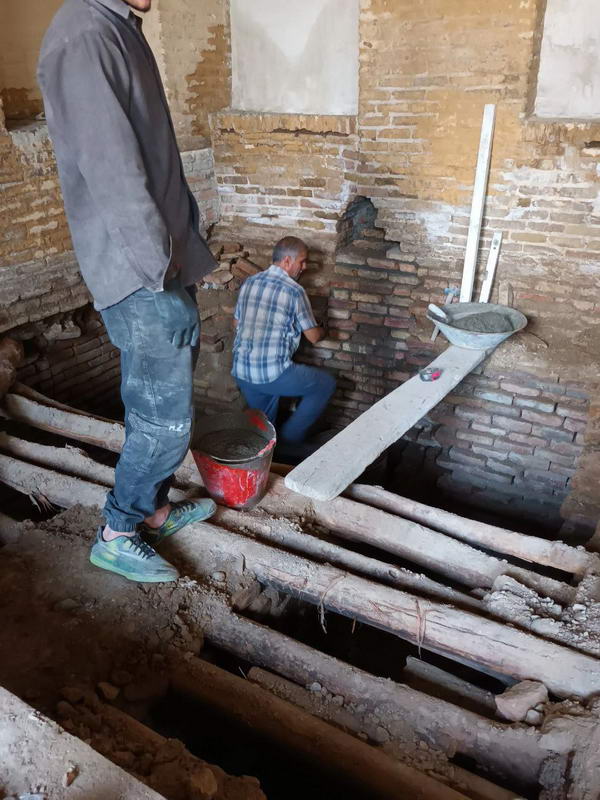
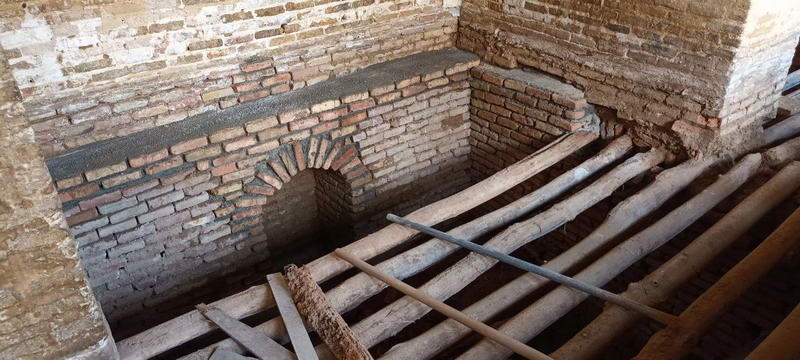
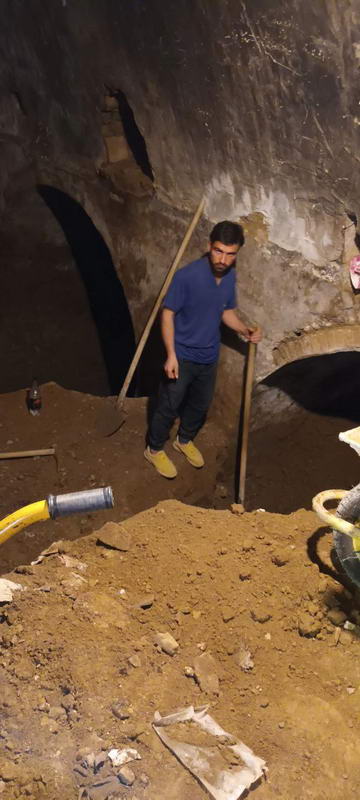
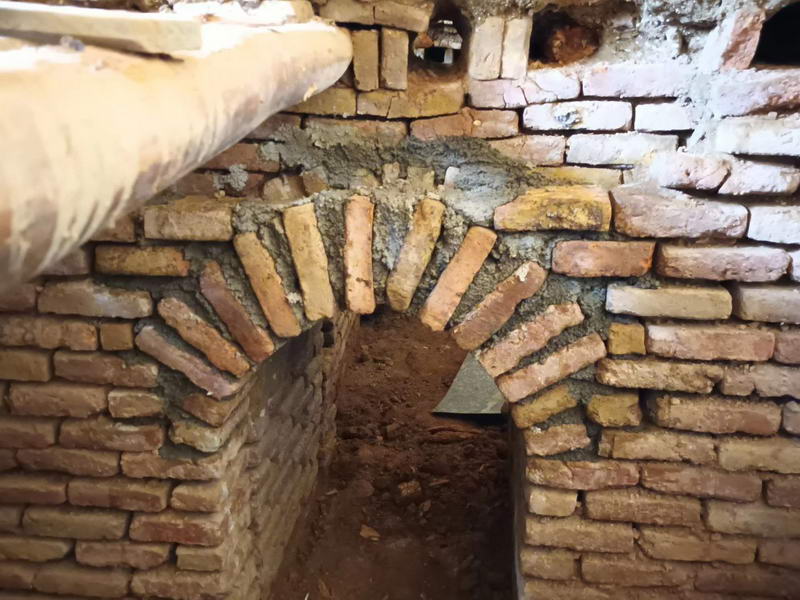
Yesterday, the reinforcement of the southern walls, whose cracks had been a concern from the beginning, was initiated. Right away, the shape of the corridors emerging from under the soil beneath the *matzah*-baking room floor promises a building far more beautiful than imagined. On the other hand, the basement is much deeper than our initial assessment. It is vast, 6 meters deep, and filled with soil! This has significantly increased the cost of the work. Approximately tens of trucks loads of soil must be removed from the synagogue, and over 70% of the workforce is now engaged in excavating soil from the basement and corridors. The decision of the Board of Trustees is to carry out a complete and flawless restoration of this Qajar building, and one of the best expert teams has come to our aid.
Next week, the process of documenting oral histories and reviewing documents related to the Jews of Oudlajan will continue.
May your soul rest in peace, Ms. Sanoubar (wife of Ezra Yaghoub), for you built an unparalleled structure.
Marjan Yashayaie
Diary of Restoration and Revival of Jewish Historical Sites in the Oudlajan Neighborhood (17)
Beginning the Removal of Cement and Plaster Layers to Reach the Original Structure
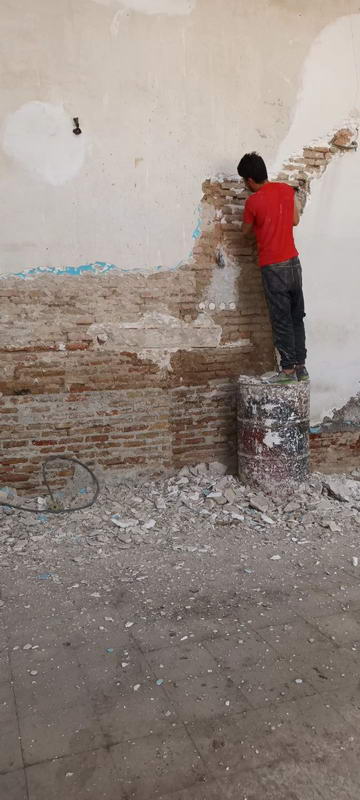
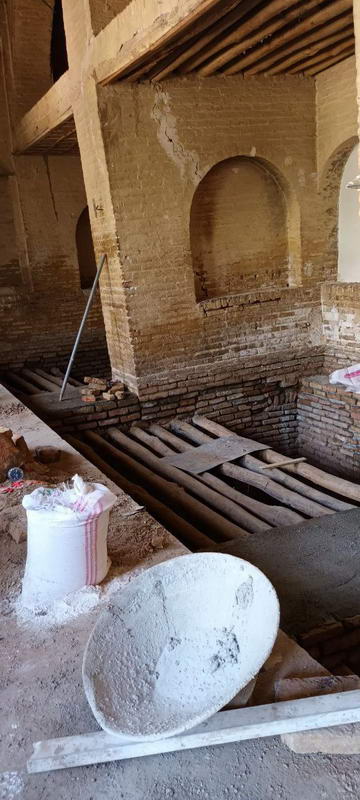
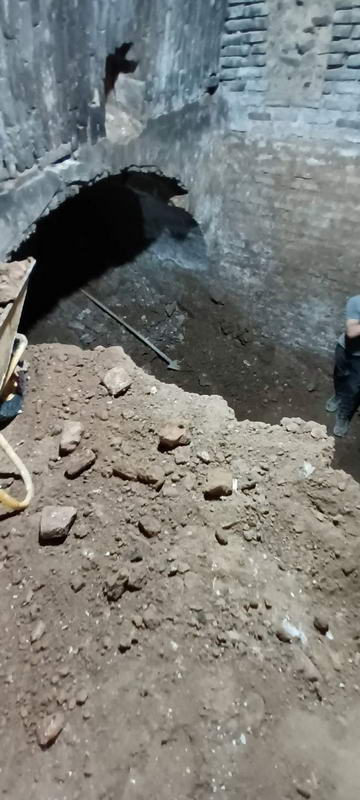
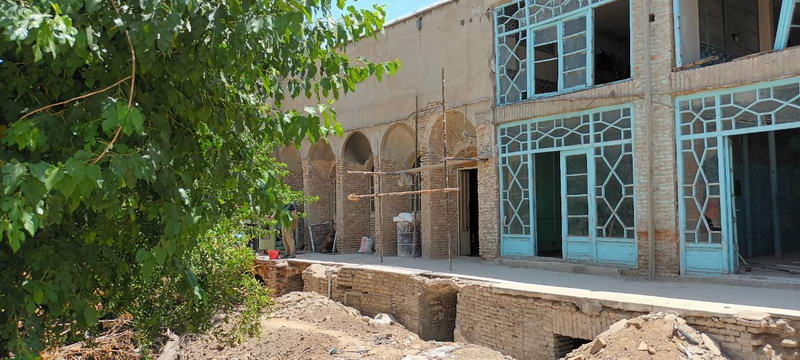
With God's help and the continued support of dear people who value their historical heritage, the operation to remove surface layers at the Ezra Yaghoub Synagogue began on Sunday, June 1, 2025. The goal of this phase is to better assess the structural faults and cracks on the walls and to remove additions that have distanced the building from its original authenticity. The expert team intends to restore this beautiful brick complex to its original state as much as possible. Subsequently, the external cement walls, which are a cause of moisture seepage, will also be removed.
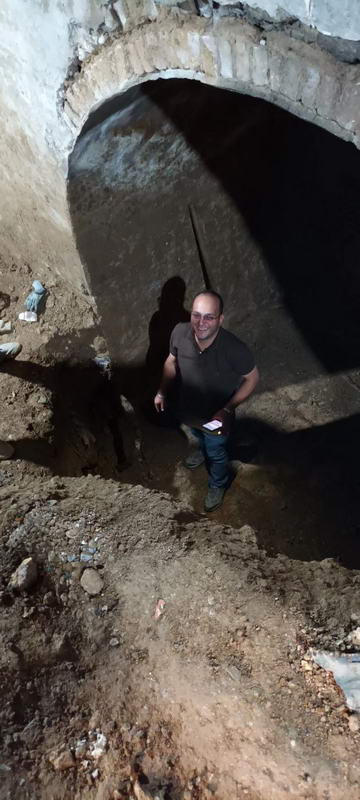
The vast, 6-meter-high basement, the excavation of which has so far consumed a major portion of our budget and time. The corridors at the base of the southern walls, with a height of about 140 cm, which have emerged from under the soil, are also among the unsolved mysteries of the synagogue.
We are at the beginning of restoring and uncovering the secrets of this extraordinary historical building.
Diary of Restoration and Revival of Jewish Historical Sites in the Oudlajan Neighborhood (18)
Iranian Representative to Participate Virtually in the Iranian Jews Working Group at the Vienna Academy of Sciences
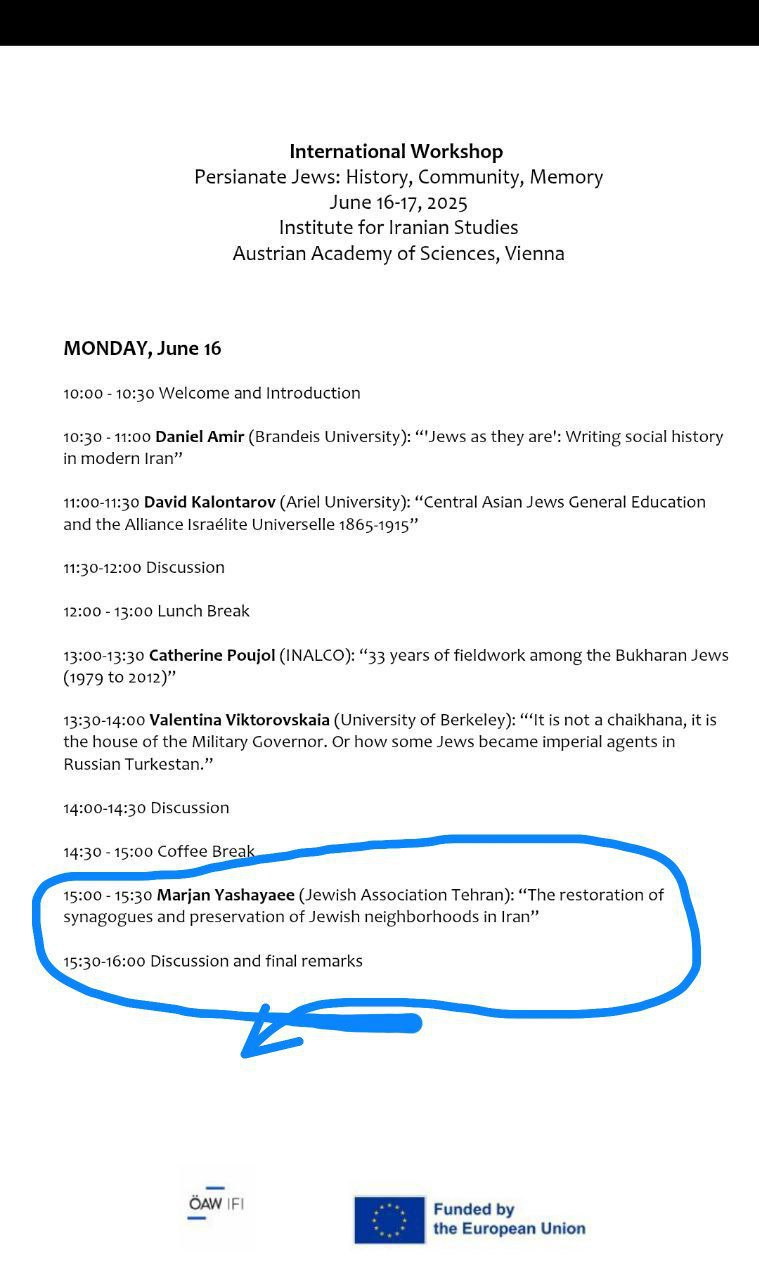
As mentioned in Diary Entry #7, following their monitoring of these diary entries, the Center for Iranian Studies at the Vienna Academy of Sciences invited Marjan Yashayaie to speak at the Academy on June 16, 2025. The topic was to be Iran's Jewish historical sites, with a focus on the restoration of the historic Ezra Yaghoub Synagogue in the Oudlajan neighborhood. All expenses were covered by the Academy. Despite the visa being issued and tickets being purchased, due to the 12days war situation, the speaker's in-person attendance was not possible. After consultations, it was decided that the speaker will participate in the meeting online.
The event is scheduled for Monday, June 16, at 5:30 PM Tehran time. The presence of interested individuals is welcomed.
Diary of Restoration and Revival of Jewish Historical Sites in the Oudlajan Neighborhood (19)
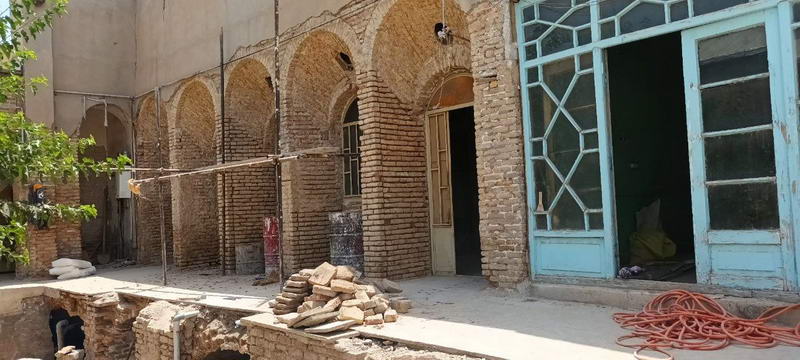
Restoration Work on the Ezra Yaghoub Synagogue Never Stopped
Our country experienced 12 critical and stressful days from June 13, 2025, until the ceasefire between Iran and Israel. Naturally, we Iranian Jews were not spared from Israel's attacks, and we once again experienced the bitter taste of war, nearly 40 years after the end of the Holy Defense [Iran-Iraq War].
These attacks, in addition to the pain, suffering, and damages inflicted upon our country's people, completely disrupted the plans of the Ezra Yaghoub Synagogue restoration team. We had planned to hold a concert by the Delsaz Ensemble on Saturday, June 14, to both familiarize interested individuals with the great work underway at the synagogue and to raise funds to accelerate the project, among other initiatives, none of which came to fruition. Furthermore, government offices were practically in a semi-shutdown state during this entire period. All of this has placed us in a difficult financial situation. Despite this, the restoration work at the synagogue has not stopped for a single day and has continued.
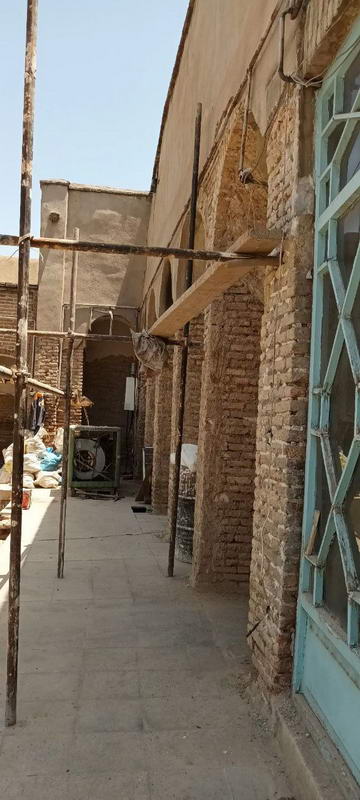
Today, we ask the Tehran Jewish Association and other members of the community who cherish their historical heritage to support us in this historic endeavor. Initially, no one had any idea of the beautiful and multi-layered building that lay before us, and we thought the job would be finished with a minor restoration. However, every day, more wonders are discovered in this building that have astonished even the experts.
Diary of Restoration and Revival of Jewish Historical Sites in the Oudlajan Neighborhood (20)
Financial Status Report on the Ezra Yaghoub Synagogue Restoration as of July 1, 2025
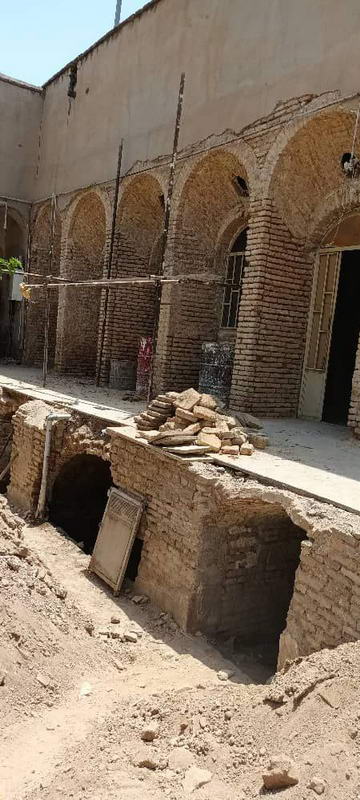
Today’s report is a statement of expenditures for the restoration of the Ezra Yaghoub Synagogue up to July 1, 2025. Nearly seven months have passed since we opened the doors of the synagogue, and significant work has been accomplished in this time. In addition to resettling the previous occupants, more than three truckloads of garbage and debris have been removed. The restoration began, based on expert advice, with the excavation of the basements. We never imagined we would find a beautiful and intact water cistern, 6 meters deep and with an area of 50 square meters. The other basements have also been cleared. To date, 550 million tomans have been paid to the restoration contractor, Mr. Marbaghi. This amount has been funded solely by the public. Previously, about 80 million was spent on hospitalizing one of the residents and cleaning the building, of which 35 million was paid by the Tehran Jewish Association. Our next challenge, which we must overcome with God's help and your support, is to remove nearly tens of truckloads of soil from the synagogue courtyard at an approximate cost of 300 million tomans. Fortunately, the building is in better condition than we had imagined.
Diary of Restoration and Revival of Jewish Historical Sites in the Oudlajan Neighborhood (21)
Excavation of Hundreds of Tons of Soil from the Buried Structures of the Ezra Yaghoub Synagogue
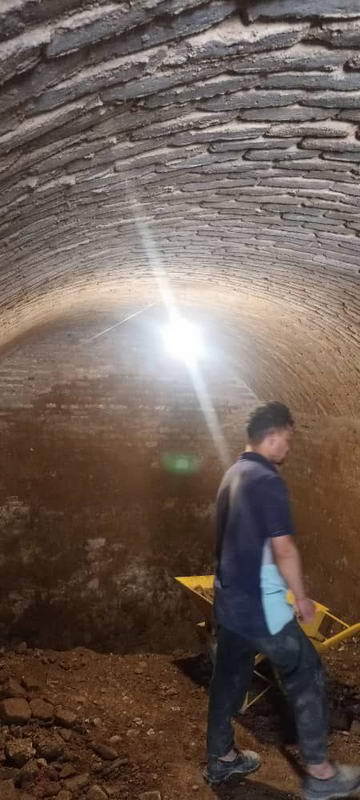
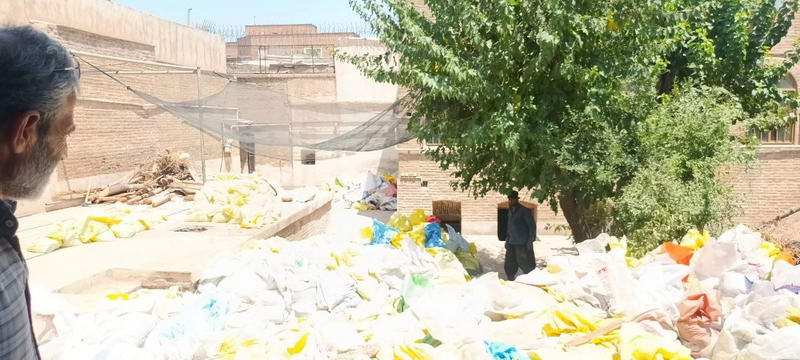
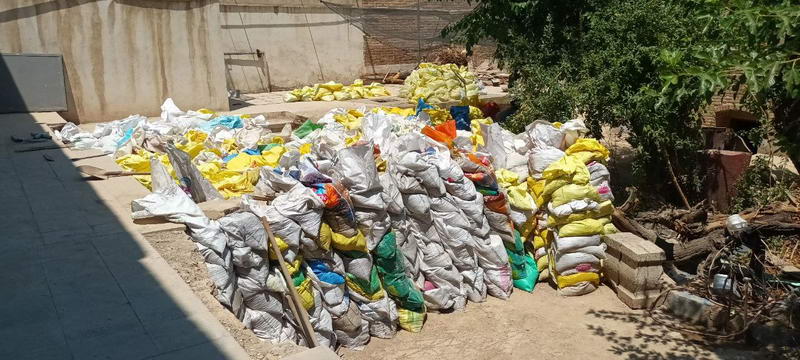
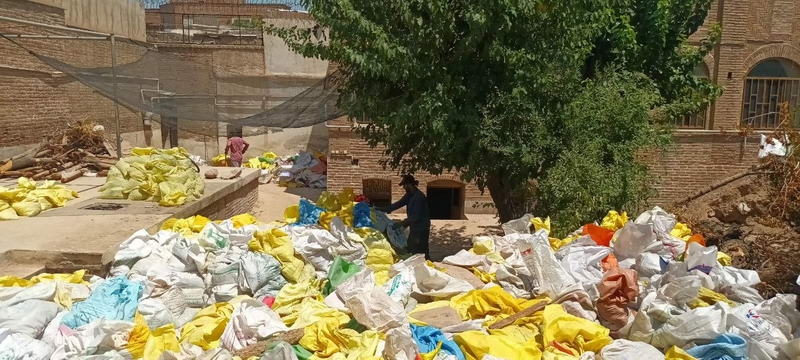
The excavation of hundreds of tons of soil from the synagogue's courtyard, which had previously been unearthed from its buried sections, began on August 1st. During this phase, the largest Ab Anbar in Oudlajan was discovered, a structure capable of storing six months' worth of water for the neighborhood. It is 6 meters deep and covers an area of 50 square meters. This very beautiful section will likely be converted into a museum.
Some experts believe that with the arrival of Tehran's piped water system in the 1950s (1330s SH), citizens were required to fill their Ab Anbar spaces with soil. The theory that the Ab Anbar was filled for structural reinforcement has been rejected by experts.
As soil was removed from the second basement, the remains of a mikveh were also found at a depth of 6 meters.
Diary of Restoration and Revival of Jewish Historical Sites in the Oudlajan Neighborhood (22)
Hundreds of Tons of Soil Removed from the Courtyard of the Ezra Yaghoub Synagogue and Cultural Complex
The scorching month of Mordad ended with good news. Following the previous report on the commencement of the soil removal operation from the synagogue grounds, after nearly a month of uninterrupted work, hundreds of tons of soil excavated from the heart of Oudlajan's largest Ab Anbar and the synagogue's mikveh have been cleared from the courtyard at a cost of 300 million tomans.
Due to the narrow alleyways of the neighborhood, the soil removal was carried out with difficulty, requiring more time and expense. However, we are happy to have overcome a significant stage of the restoration and to be closer to having an important, high-standard historical building worthy of Iranian Jews. Immediately, with the support and trust of the restoration team led by Engineer Morabaghi, the sandblasting (cleaning of the brickwork) of the basement and the Ab Anbar has begun. With each step of the restoration, more wonders about the quality of life of Tehran's Jewish community in the Oudlajan neighborhood are revealed, each requiring careful examination of historical documents and the recording of oral histories.
All stages have been made possible through the financial support of the Jewish community in Iran and abroad, and today, once again, we need new financial resources to continue the work.
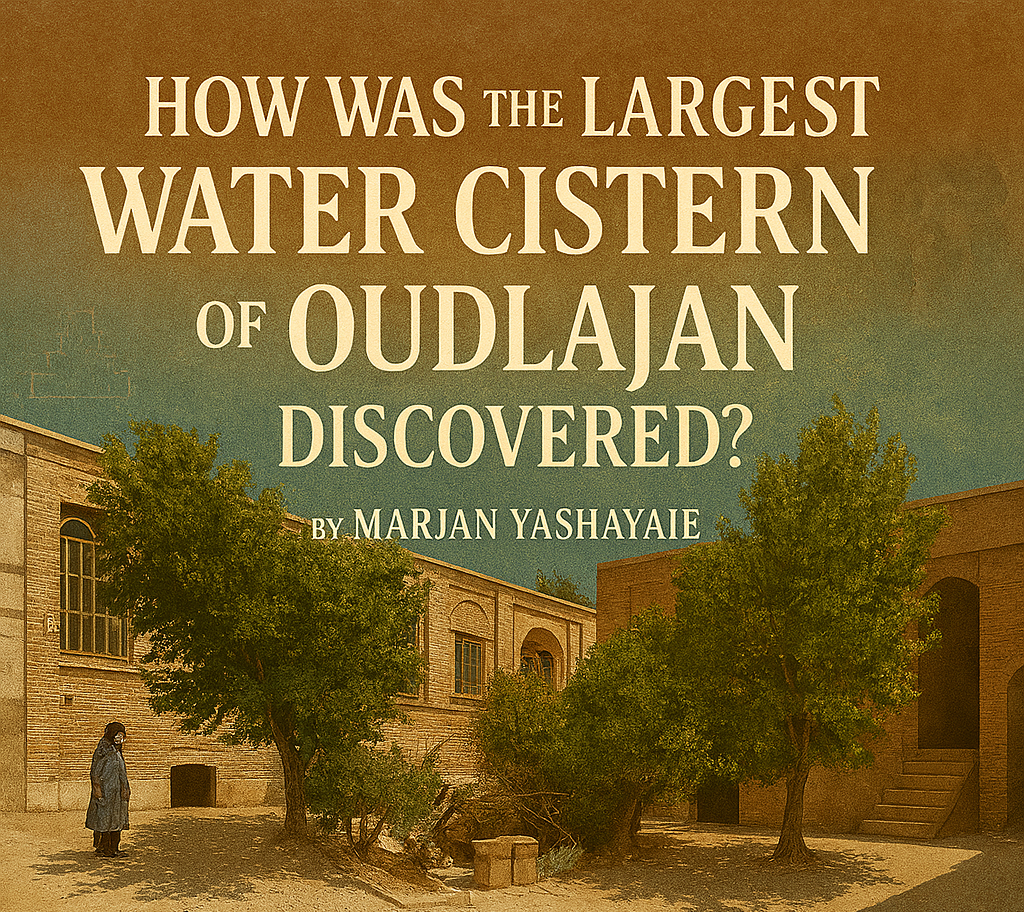
How Was the Largest Water Cistern of Oudlajan Discovered?
It is said that Darius I, the Achaemenid king, prayed some 2,500 years ago: "May Ahura Mazda protect this country from the enemy, from drought, and from falsehood." This shows that the fear of drought and the concern for water have been a constant source of anxiety for us Iranians in this land since our history was first recorded. Throughout the history of this arid land, we have striven to obtain water through various means to avoid hunger and thirst—once with qanats and Ab Anbars (water cisterns), and today with plumbing and dams.
Water has been a unifier, a source of kindness, and a factor for friendship, as well as a reason for enmity, division, and even war and murder. The corners of our history are filled with stories centered around water.
In Tehran, like other Iranian cities, the Ab Anbar was the primary place for storing and accessing water until the 1940s, when clean water began to flow through pipes. It was so important that many social relationships were defined by the roles individuals played in the management of the Ab Anbar.
For a long time, we had heard about the largest Ab Anbar of Oudlajan, which had been lost. It was said that a great water cistern existed somewhere in Oudlajan but had disappeared, until last week, when through the efforts of the restoration team and its head, Behrouz Morabaghi, the largest Ab Anbar of Oudlajan was discovered.
The fascinating story of this Ab Anbar is well worth hearing. According to historical documents, in 1894 CE, during the reign of Naser al-Din Shah Qajar, a wealthy Jewish merchant named Ezra Yaghoub lived in Oudlajan. Ezra Yaghoub was one of the first Iranian merchants to import worsted wool fabrics from England to Iran. This very trade and wealth became the cause of his demise, as one day, fanatics and the envious attacked him in the alleys of Oudlajan. Wounded, Ezra Yaghoub returned home and, on his deathbed, instructed his wife in his will to build the largest Ab Anbar in Oudlajan so that all people would have water. After Ezra Yaghoub passed away, his wife, Sanoubar Khanom, undertook the great task of fulfilling her husband's will. She turned their large house into a synagogue and a place of worship and took charge of managing the construction of the largest Ab Anbar in the Oudlajan neighborhood—a colossal structure that could store six months' worth of water. One of the oldest reports mentioning the Ezra Yaghoub Synagogue is in the travelogue of Eugène Aub, the French ambassador to Iran from 1906-1907. Aub, who was in Iran during the Constitutional Revolution, wrote about Tehran's synagogues: "Tehran, being one of those cities with a relatively large Jewish community, has twenty synagogues. The most important among them is the synagogue of the 'late Ezra,' which is housed in the rooms of an Iranian-style house, where only the assembly for reading the Talmud and Torah is held" (Aub, 1362, p. 309). It is highly probable that his reference to the "late Ezra" synagogue is the same Ezra Yaghoub Synagogue, which is also linked to this Ab Anbar in historical notes.
From the late 1940s, this Ab Anbar disappeared, and no one knew its location. That is, until about seven months ago, when the restoration team entered the synagogue. Without having any blueprints of the original building and complex, they began the restoration work by demolishing a cement wall at the base of the southern platform. After removing the cement layers and a brick wall, the openings to the basements revealed themselves—basements that a person could barely enter. The experts decided to excavate the soil to determine the depth and extent of the basements. This task took more than two months, and finally, the soil from one of the basements was completely removed, revealing a space with a depth of six and a half meters and an area of nearly 50 square meters. With hundreds of tons of soil removed from within, it became clear that the space was so vast that it initially made the experts doubt whether such a massive volume of water could truly be contained in an enclosed space.
Further investigations showed that this was indeed the largest lost Ab Anbar of Oudlajan, still standing strong and beautiful, bearing witness to the tumultuous history of the capital. It was the same Ab Anbar built by the will of Ezra Yaghoub and the determination of his wife—the same place that, for decades, provided water to the thirsty people of Oudlajan, regardless of their religion or ethnicity, and served as a testament to the role of water in friendship, peace, and justice.
August 2025
1- It is almost certain that with the arrival of piped water in Tehran, the authorities of the time decreed that anyone wanting piped water had to first fill in their home's Ab Anbar.
2- One of the most important sources containing information about this synagogue and
its founder, Ezra Yaghoub, is the book The History of the Jews of Iran by Habib Levy. Ezra
Yaghoub was Dr. Habib Levy's maternal grandfather, which is why the information he wrote about
this person and the Ezra Yaghoub Synagogue is firsthand, reliable, and considered among the most
significant resources on the subject. The Ezra Yaghoub Synagogue is also mentioned in two travelogues from the Qajar period.
Diary of Launching and Restoring Oudlajan’s Historical Synagogues, No. (23)
The World is Unaware of Iranian Jews
The restoration of the Ezra Yaghoub Synagogue continues, albeit at a slower pace. Financial issues have occasionally slowed our momentum, but we hope to accelerate the work by finding new financial resources.
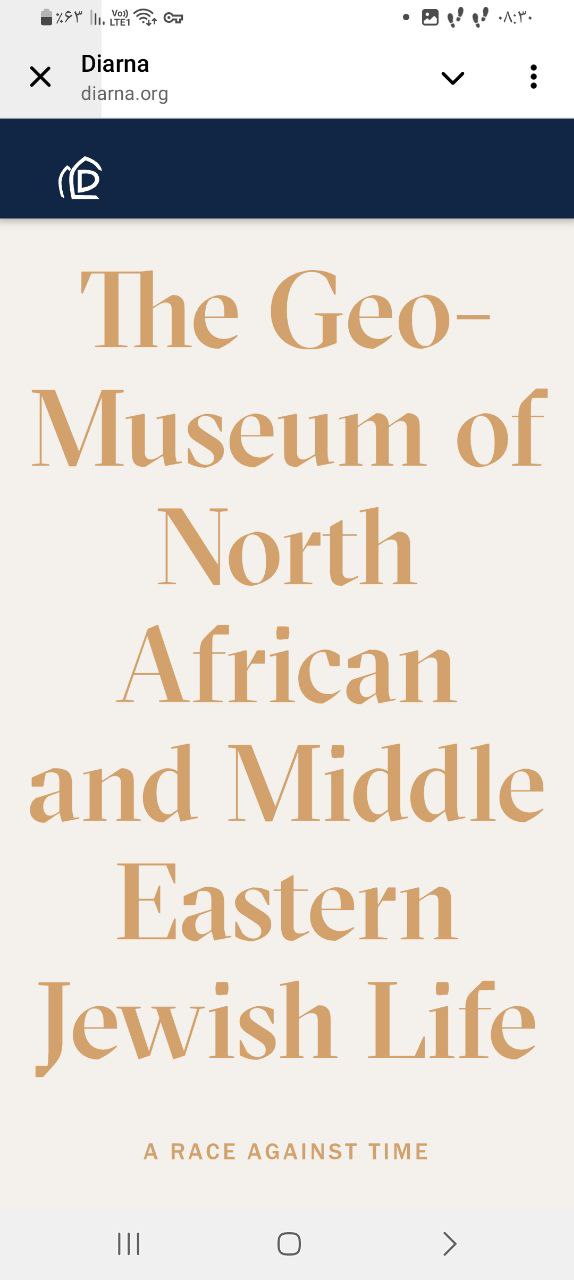
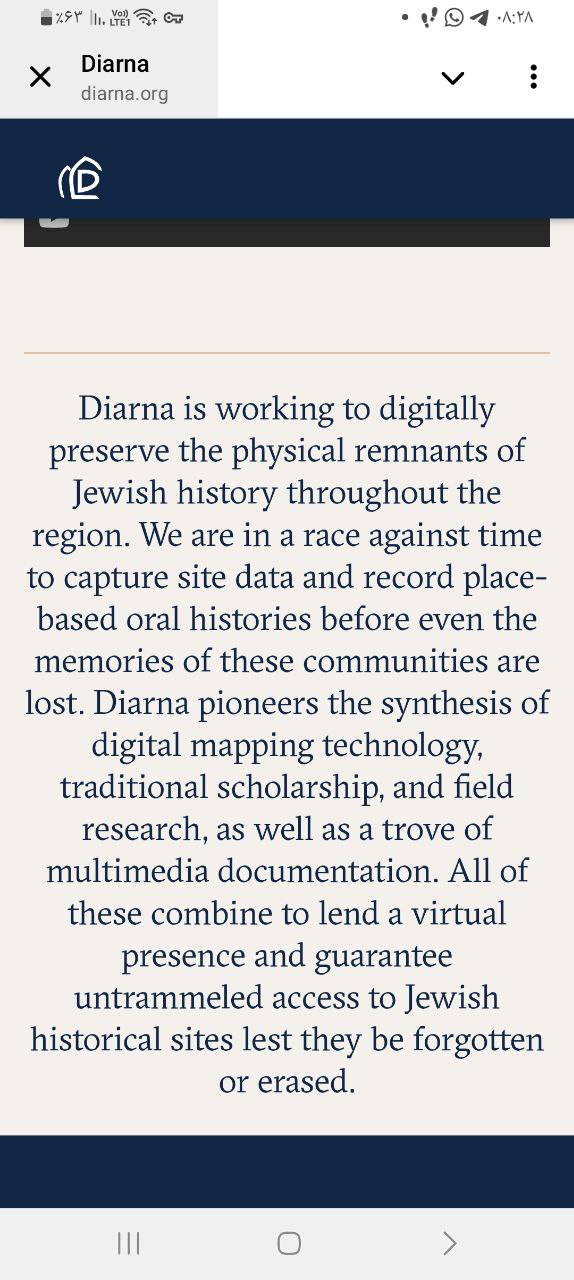
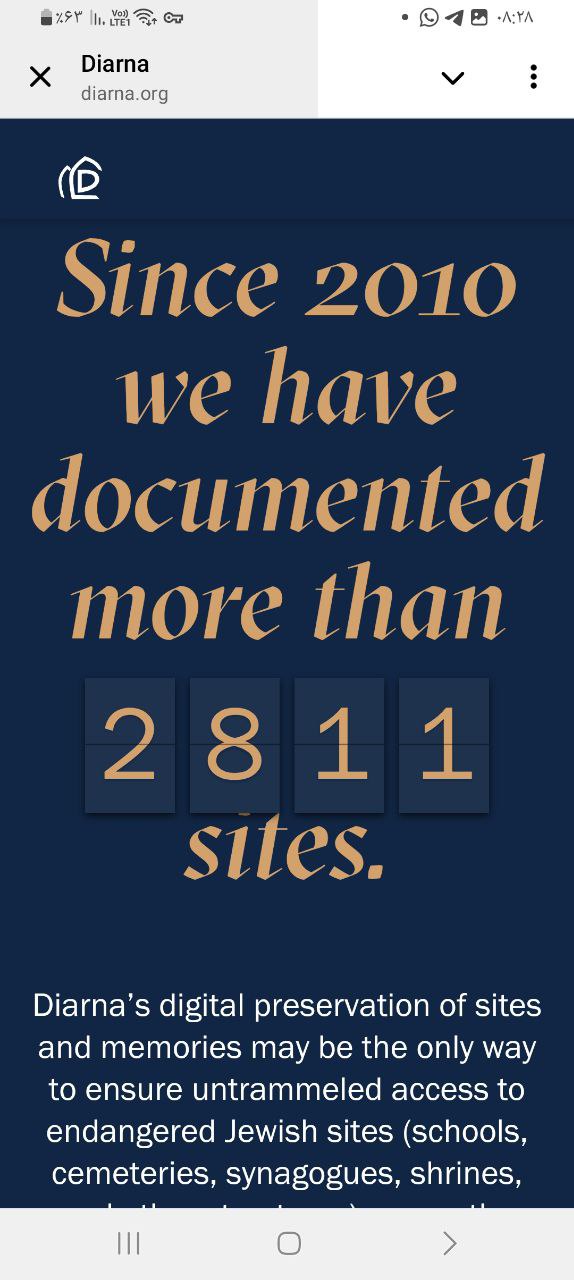
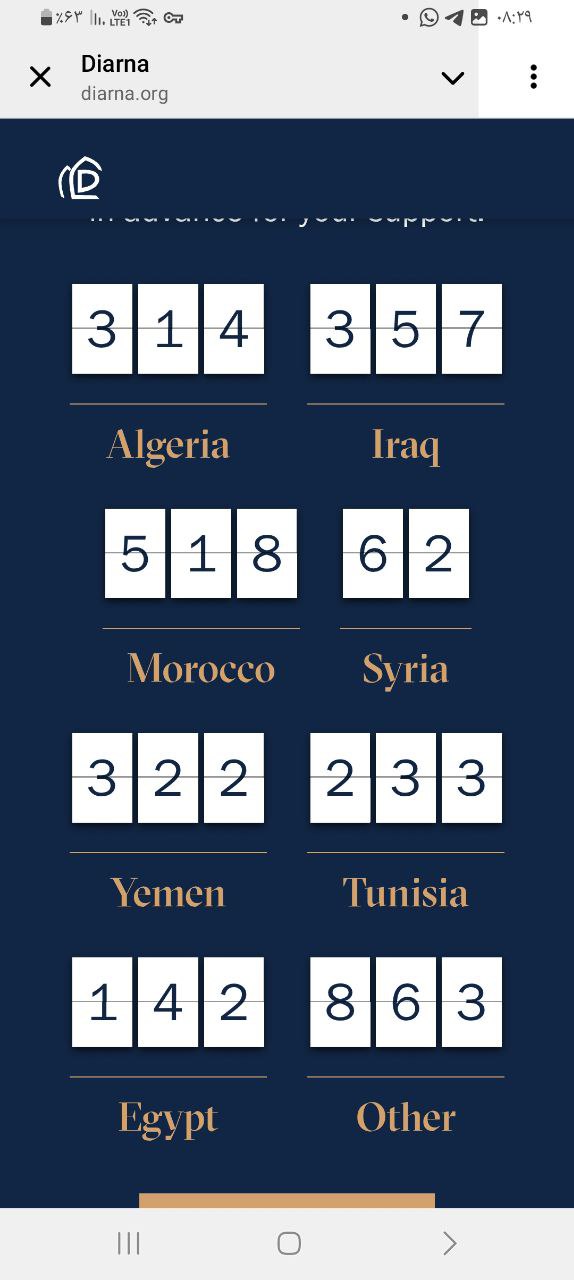
When visiting the website Diarna.org and other reputable sites regarding Jewish historical buildings in the Middle East and North Africa, you realize something unfortunate: out of the 2,811 historical sites identified in this region according to this site, there is specifically only one Iranian building listed—the Tomb of Esther and Mordechai!
This means the world is completely unaware of Iranian Jews. This is due to our own shortcomings; we have not prioritized cultural and media work, and dozens of valuable research papers and theses remain locked away and unpresented in Iranian universities and libraries.
Marjan Yashayaie
Diary of Restoring the Ezra Yaghoub Historical Complex, No. (24)
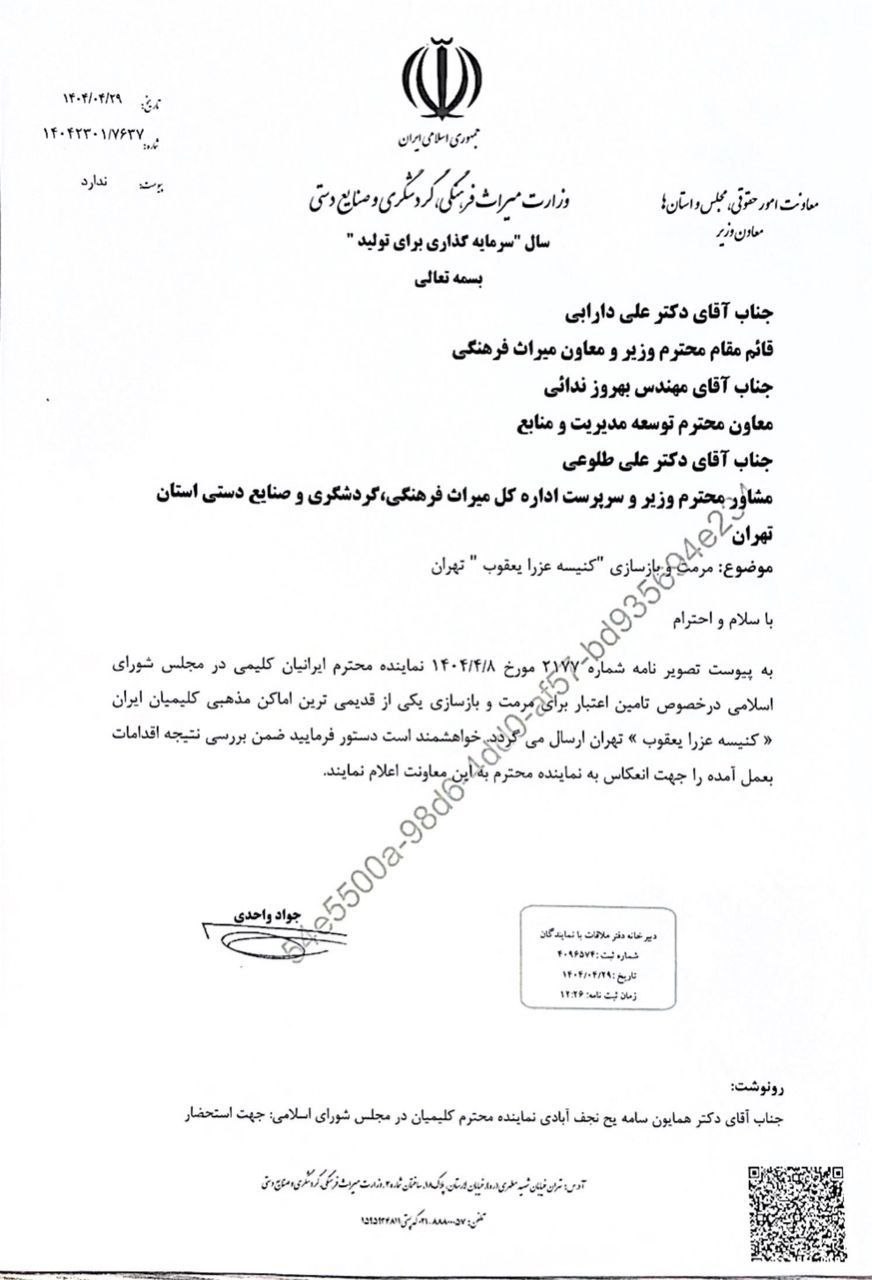
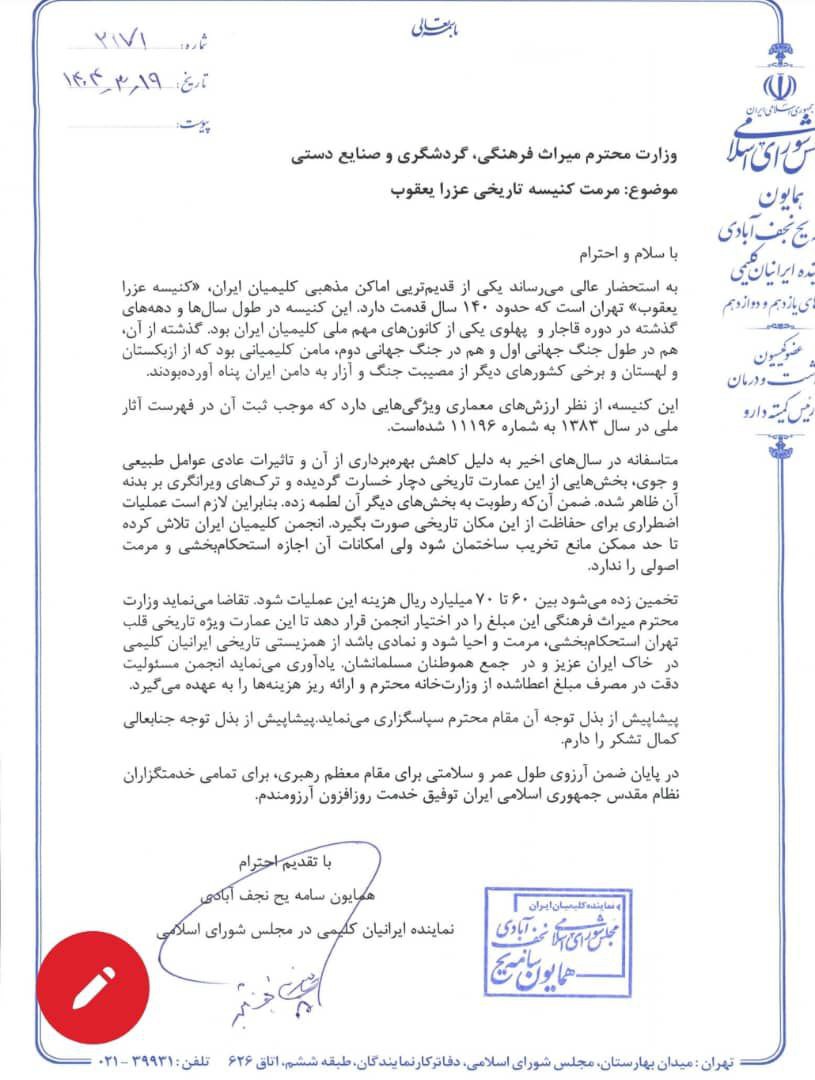
Good News: Budget Allocated for the Ezra Yaghoub Complex Restoration Project
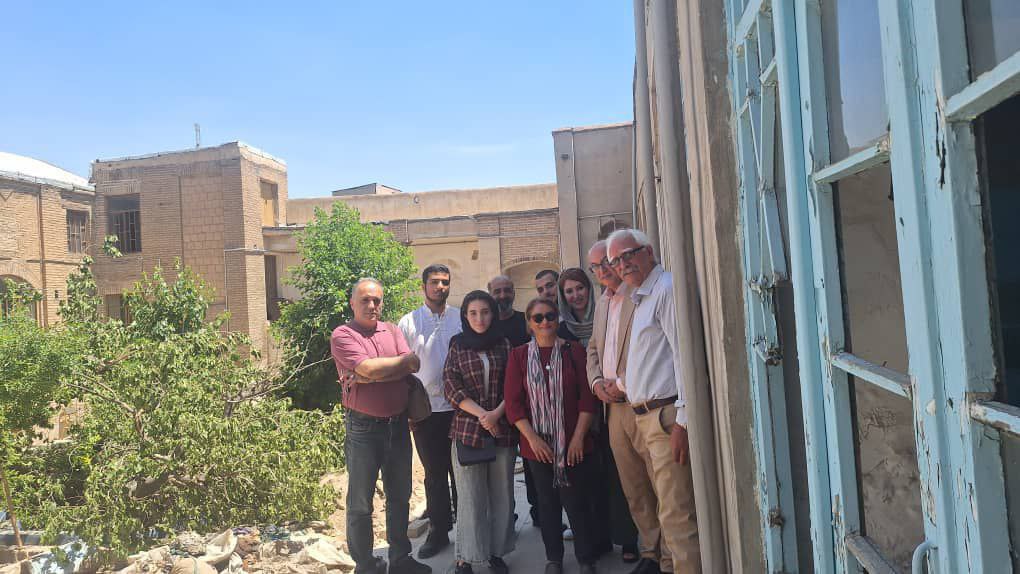
Thanks to the diligent efforts of Dr. Homayoun Sameyah, the representative of Iranian Jews in the Islamic Consultative Assembly (Parliament), the follow-ups by the Board of Trustees, and considering the historical importance of the Ezra Yaghoub complex, a sum of 800 million Tomans was allocated by the Ministry of Cultural Heritage and Tourism to the ministry's contractor, Engineer Omid Khademeh. This budget is intended for essential restoration to resolve structural flaws threatening the survival of the southern section, which includes the Matzah bakery and the assembly hall.
Consequently, there are currently two teams working simultaneously on the complex's restoration: Engineer Morabaghi's team, relying on public donations to revitalize the cistern and point the brick walls; and the Cultural Heritage expert team, whose primary role is structural reinforcement and fixing fundamental flaws. With this allocated budget, we hope the complex will be ready to welcome visitors in a shorter timeframe.
Diary of Restoring the Ezra Yaghoub Historical Complex, No. (25)
We Have Achieved Some Goals, But Restoration Continues
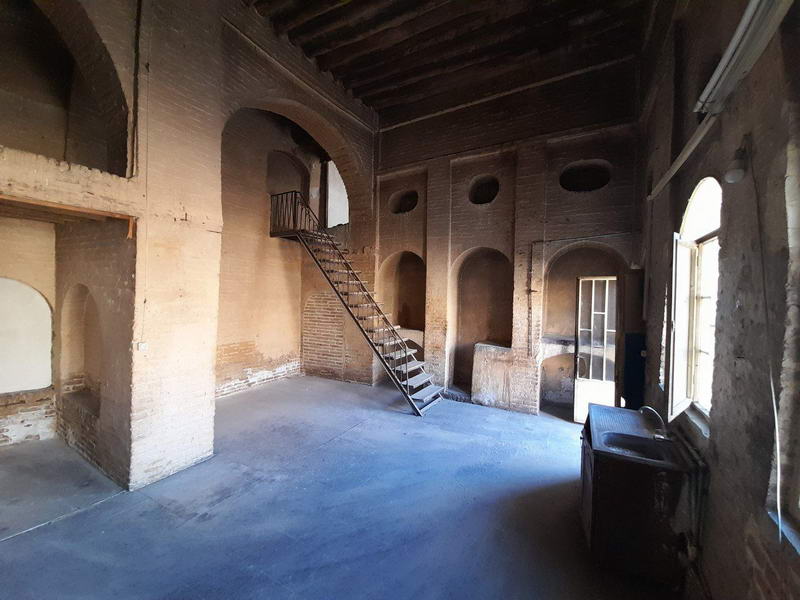
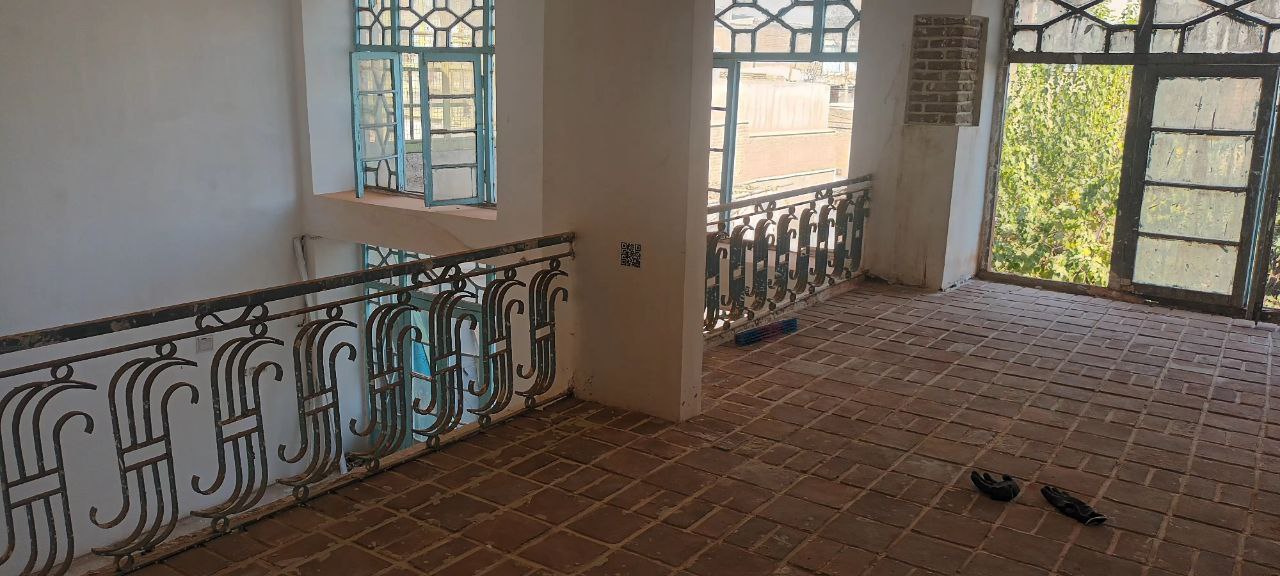
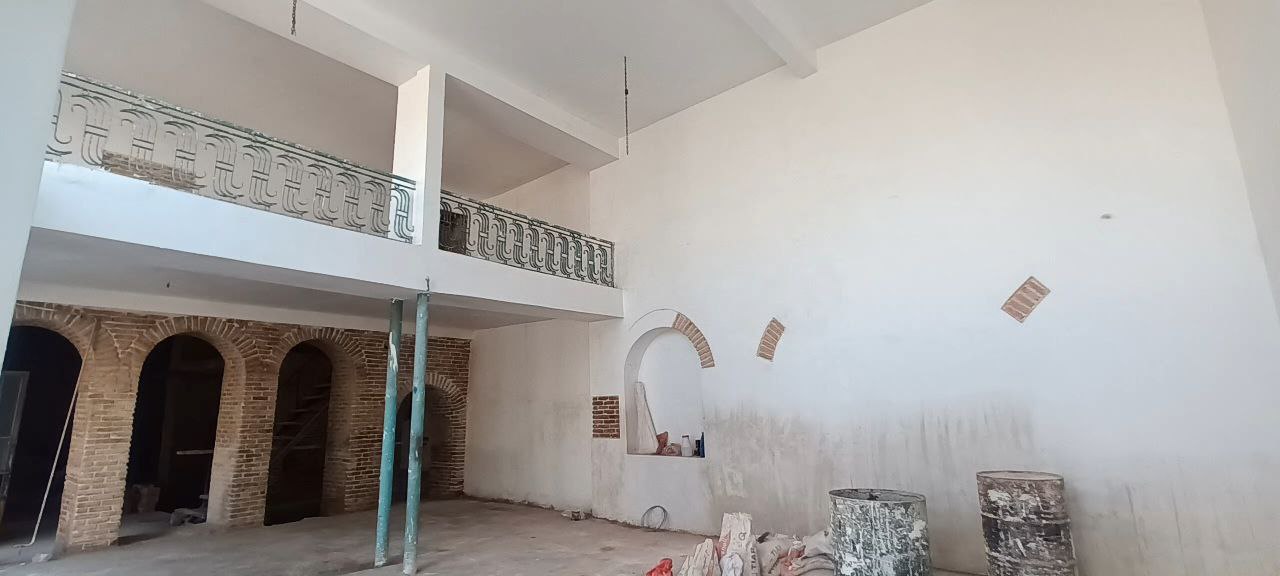
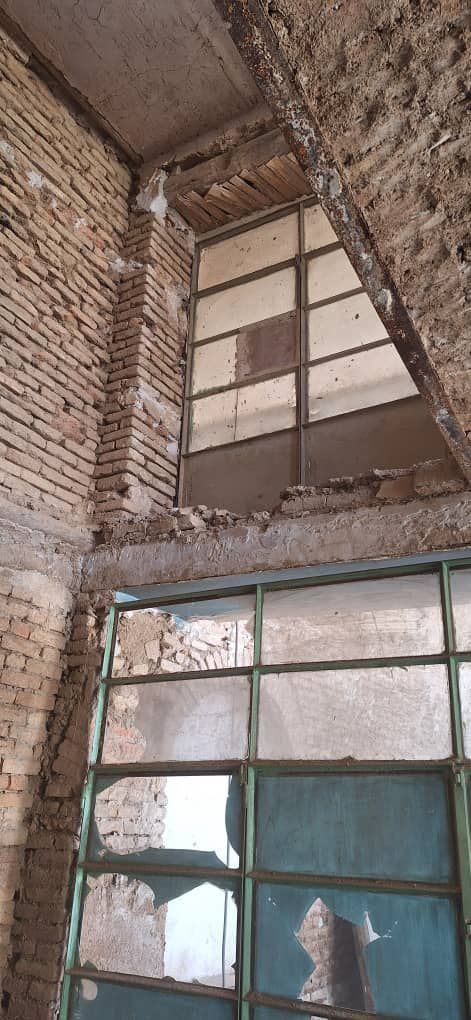
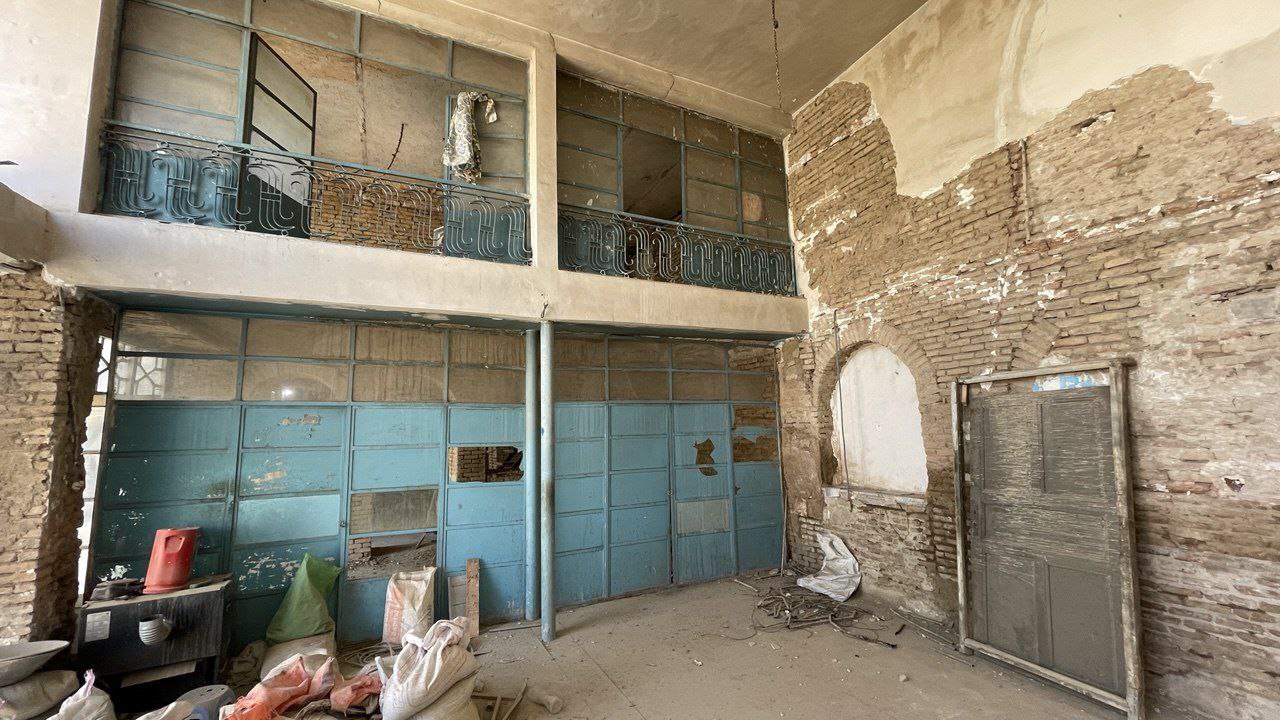
In the previous diary entry, we announced the allocation of an 800-million-Toman budget from the Ministry of Cultural Heritage, Tourism, and Handicrafts for the Ezra Yaghoub complex restoration project. Under the supervision of Engineer Omid Khademeh (the ministry's contracted manager), this budget's scope was successfully completed today. It covered beautifying the entrance, repairing certain walls and arches, plastering the southern room known as the Blue Room, fixing its balcony, and removing debris.
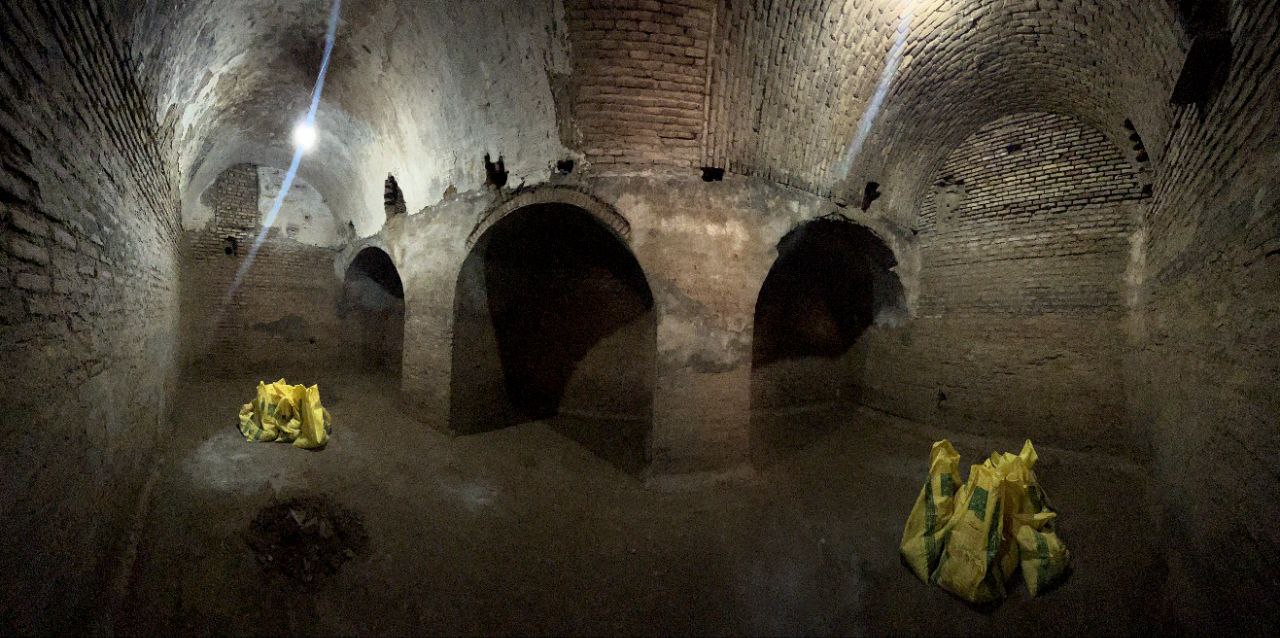
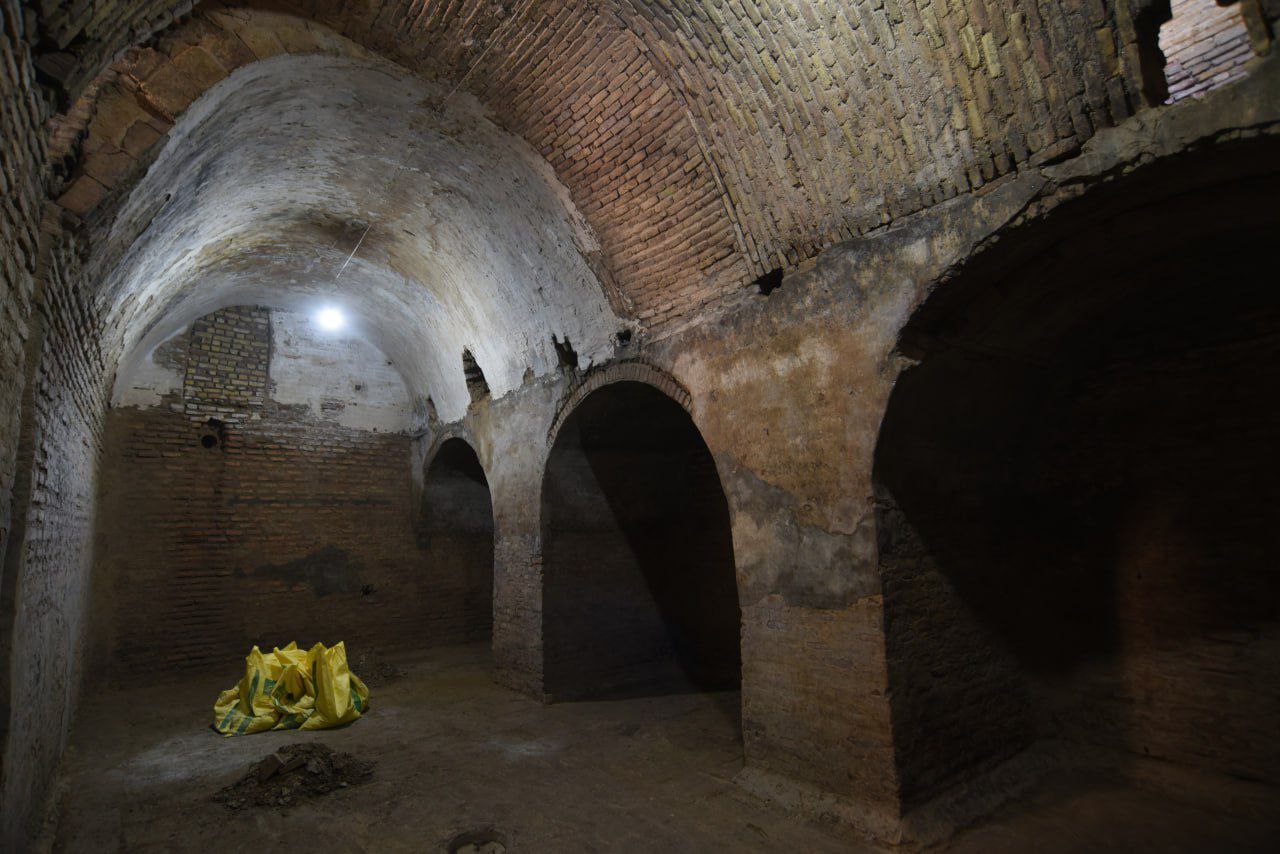
Simultaneously, restoration in other areas continued under the supervision of Behrouz Morabaghi (the contractor for the Tehran Jewish Association), funded by public donations. Currently, the largest cistern in Oudlajan—located within the complex—is ready for visitors, following the removal of hundreds of tons of soil and the installation of proper staircases, along with the Mikveh. Our hope is that with continuous public support, we can quickly complete the plumbing and electrical wiring of the southern section and move into the phase of restoring the windows.
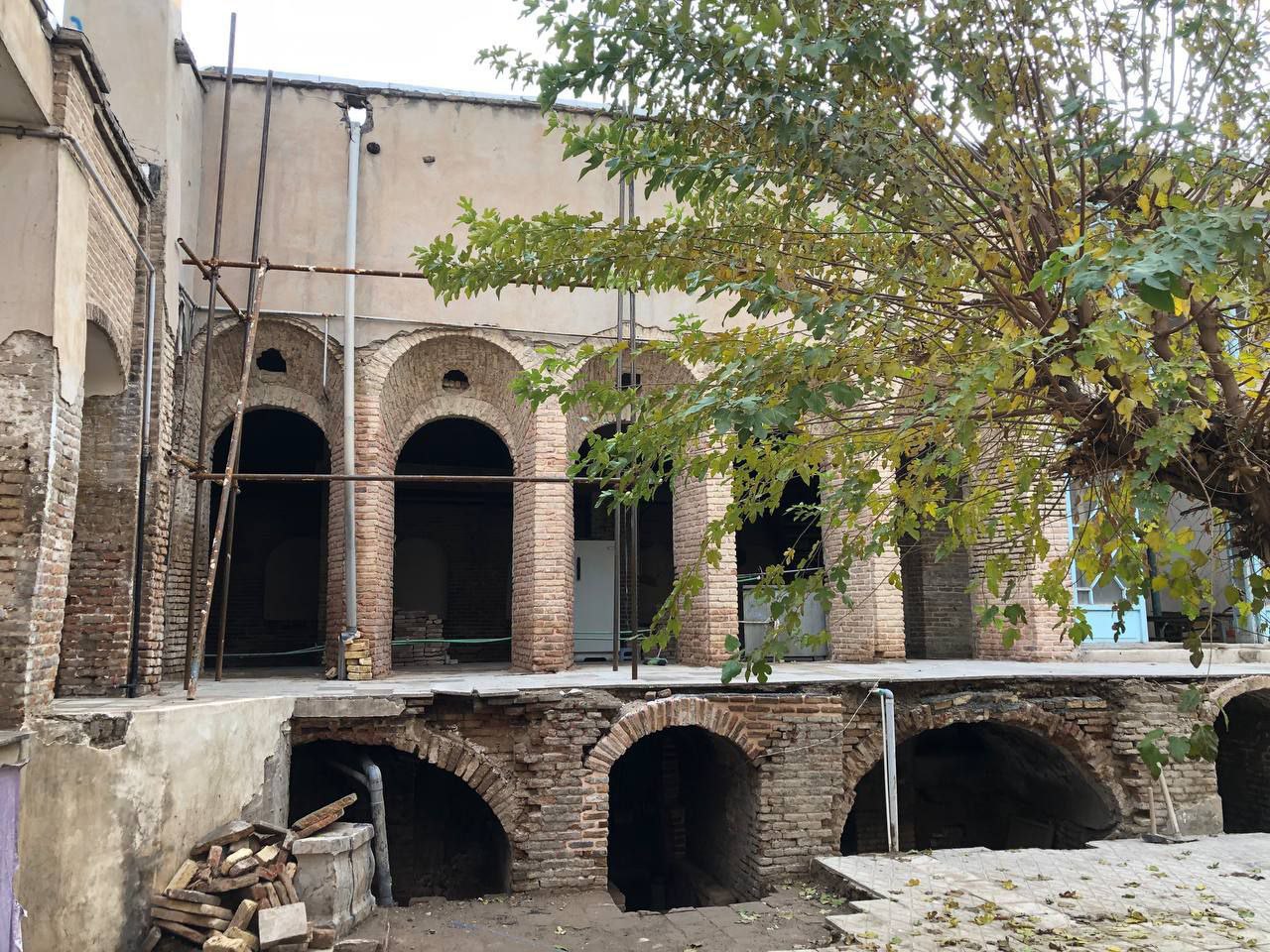
(You can observe some before-and-after photos of the southern room's restoration).
Diary of Restoring the Ezra Yaghoub Historical Complex, No. (26)
The Ezra Yaghoub Historical Complex Opens Its Doors to Restoration Experts, University Professors, and Students
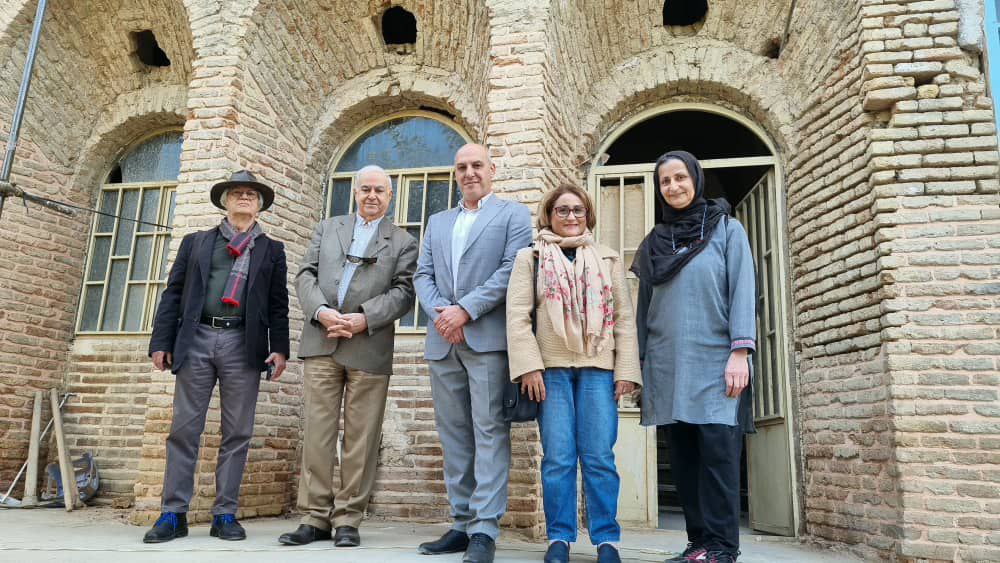
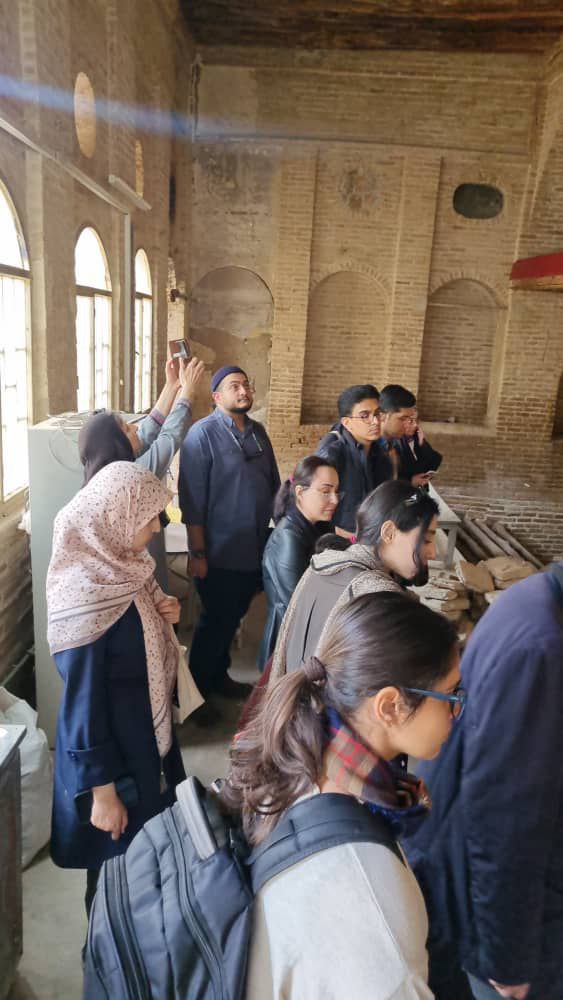
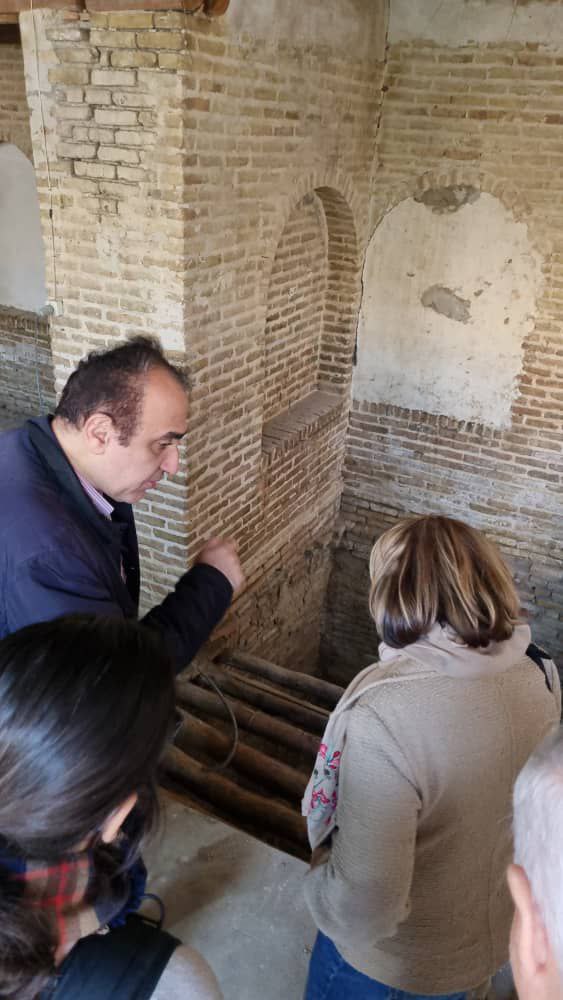
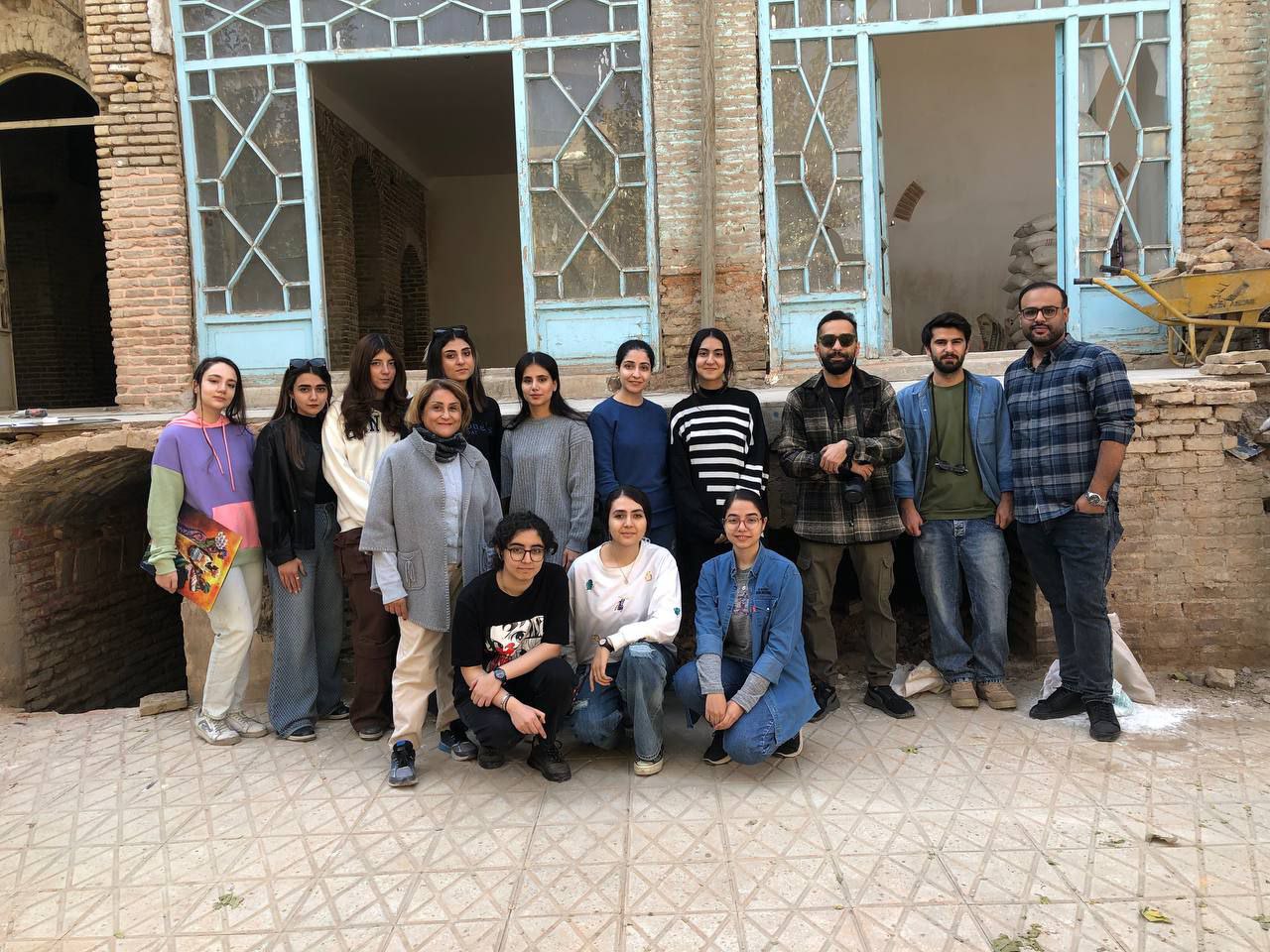
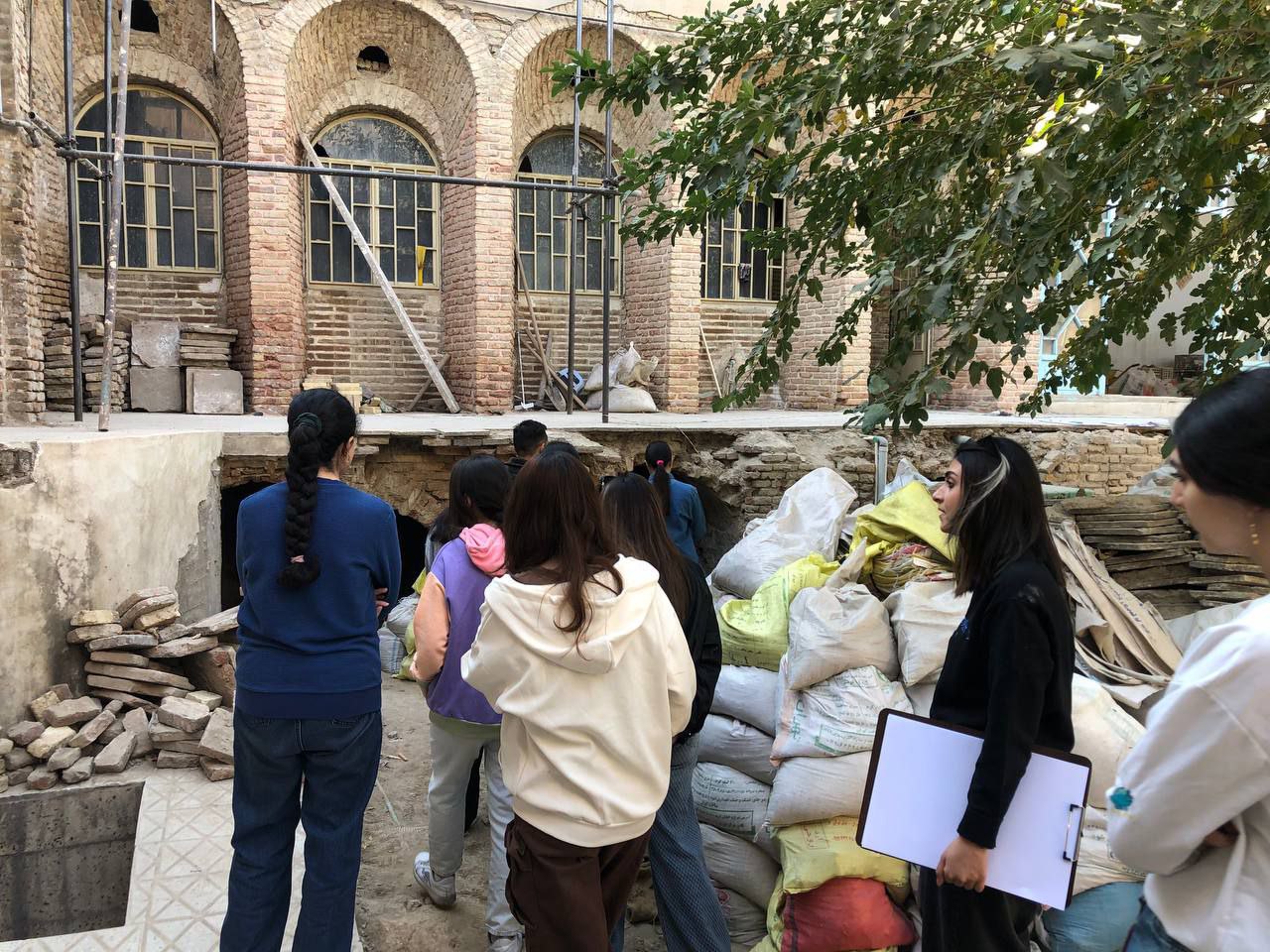
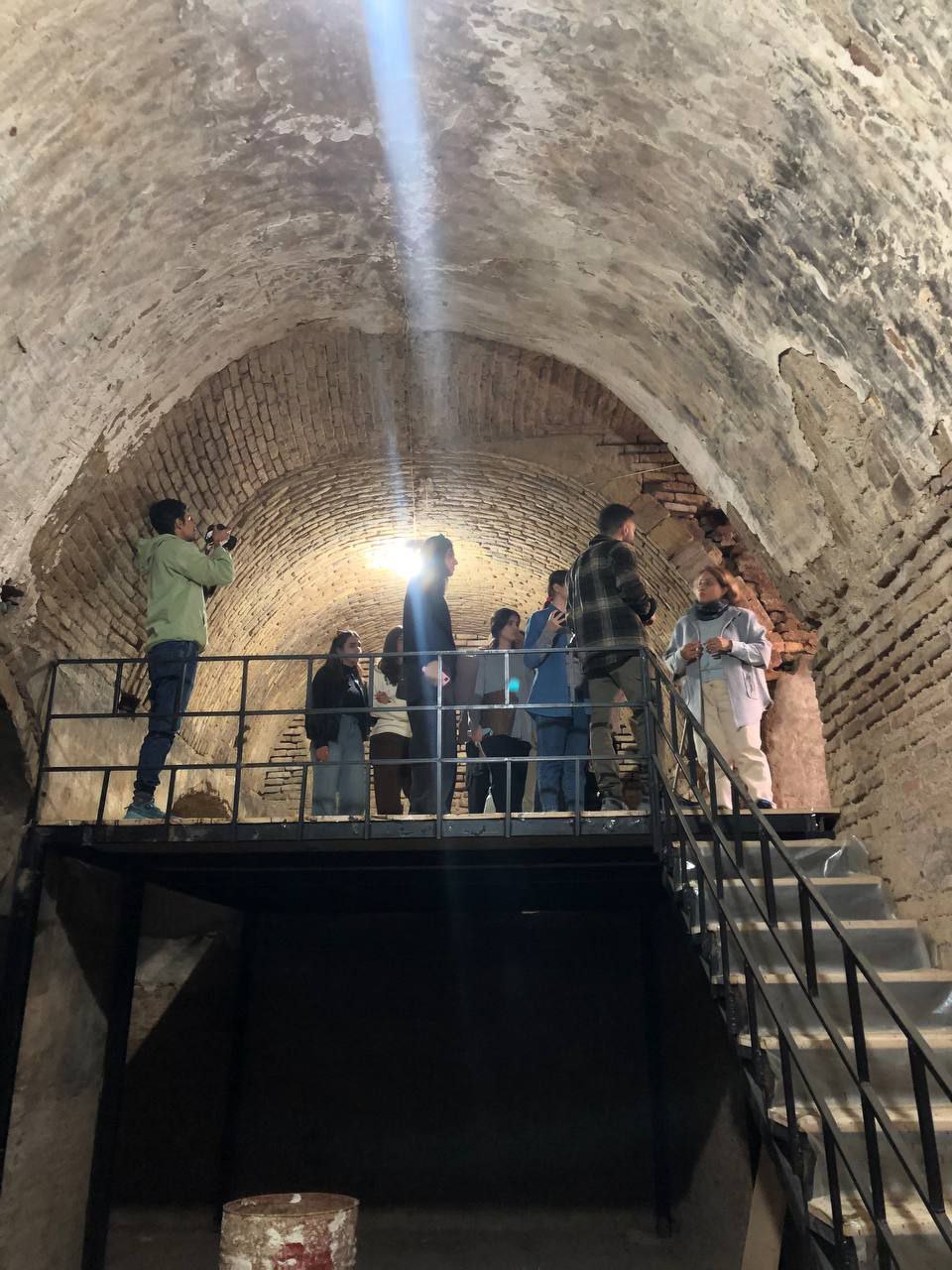
As the restoration operations gradually progress, near completion, and reveal different sections of the Ezra Yaghoub complex, restoration masters are arriving for visits and consultations. Furthermore, university professors and students are visiting to further examine the historical and technical aspects of the restoration. Every week, we host student groups who eagerly listen to the building's history, carefully and curiously inspect the restored or under-restoration corners, take notes on every detail, and photograph every subject.
Starting about two weeks ago, in addition to hosting distinguished masters like Engineer Akbar Taghizadeh (Head of the Tabriz Grand Bazaar Restoration Project), Engineer Adel Farhangi (University Professor), and Engineer Atoosa Mehrtash (Restoration Professor), we have also welcomed teams from Shariaty and Tehran Universities. The Board of Trustees of Oudlajan’s Historical Synagogues is honored to host these dear guests and spares no effort in accurately transferring factual information.
Diary of Restoring the Ezra Yaghoub Historical Complex in Oudlajan, No. (27)
The Matzah Bakery (Habib Levy Room) Gets Ready for Window Installation
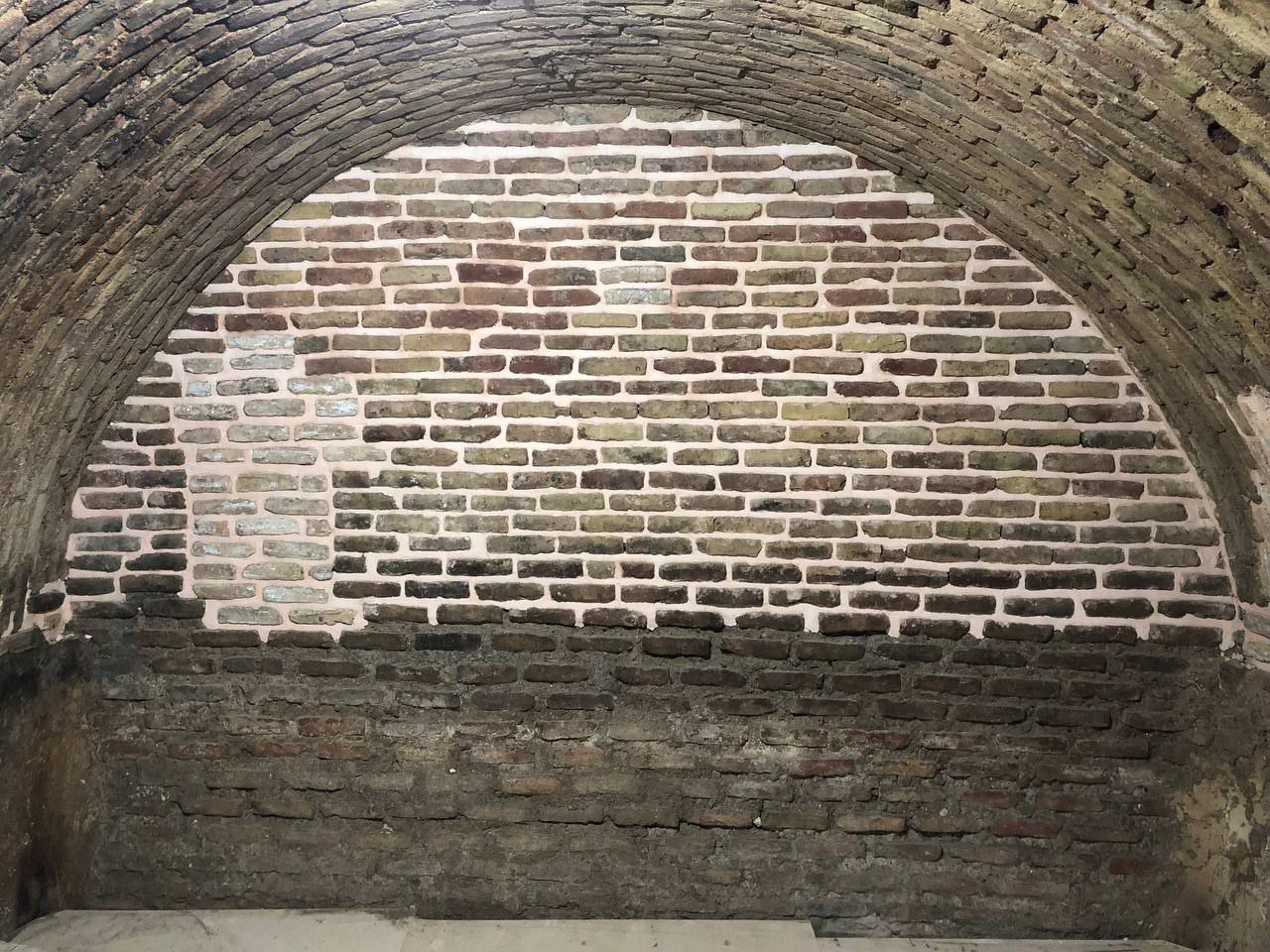
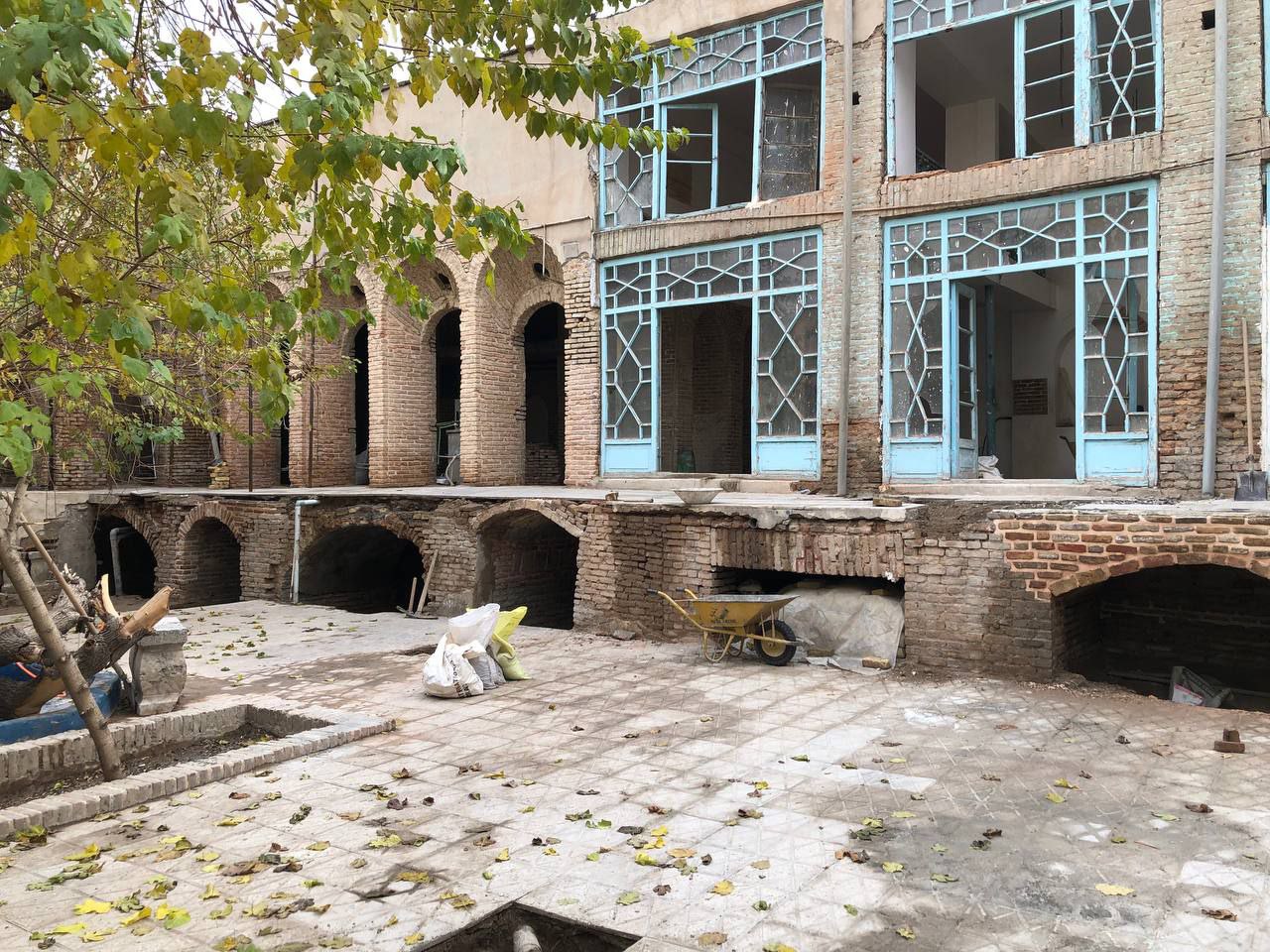
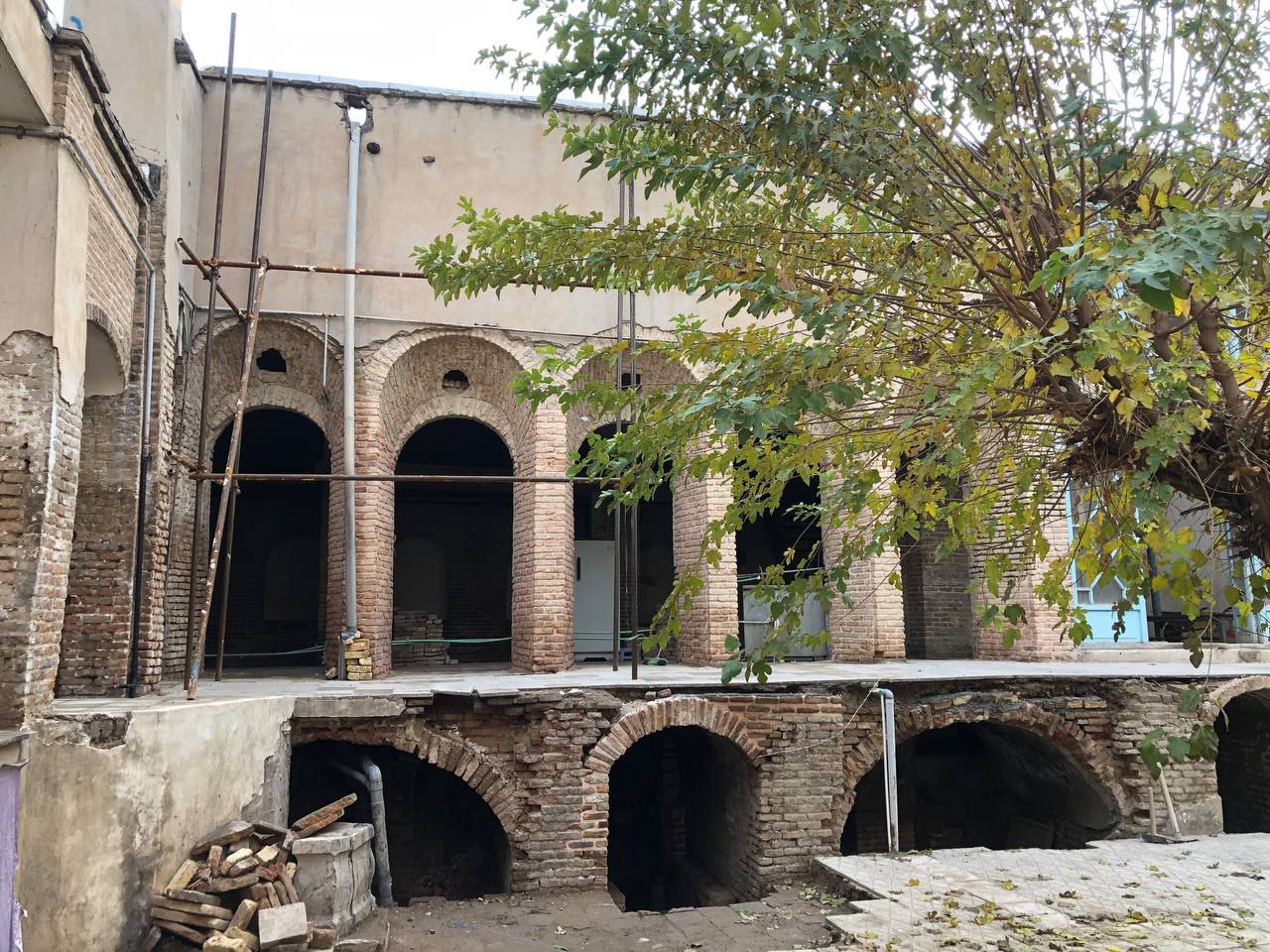
Exactly one year ago, the Board of Trustees began the restoration and launch of the historic Ezra Yaghoub complex and synagogue. After removing hundreds of tons of soil from the cistern and Mikveh, reinforcing the Matzah bakery, and restoring the Blue Room (now the Haroun Yashayaie Room), the metal windows have been removed. The Matzah bakery—now bearing the name of Habib Levy (the first modern historian of Iranian Jews and the grandson of the late Ezra Yaghoub and Senoubar Hagh-Nazar)—is now ready for the installation of its windows, alongside the restoration of the Blue Room's windows. These windows are crafted from the finest wood, featuring an authentic Panjdari (five-door) design, and are ready for installation. The brick pointing of some arches on the southern platform and the cistern is also nearing completion, making the complex more beautiful every day.
Additionally, the recording of the complex's oral history is underway, with the help of individuals who have memories of when it was open, guided by Mr. Peyman Kashani. According to Engineer Behrouz Morabaghi and other restoration experts, the roofs of the cistern, Mikveh, and Matzah bakery are fortunately completely solid and safe.
We extend our deep gratitude to the esteemed Levy family, who covered the 500-million-Toman cost for the restoration and construction of the windows.
Marjan Yashayaie, Member of the Board of Trustees
Diary of Restoring the Ezra Yaghoub Historical Complex, No. (28)
Another Step and Another Discovery
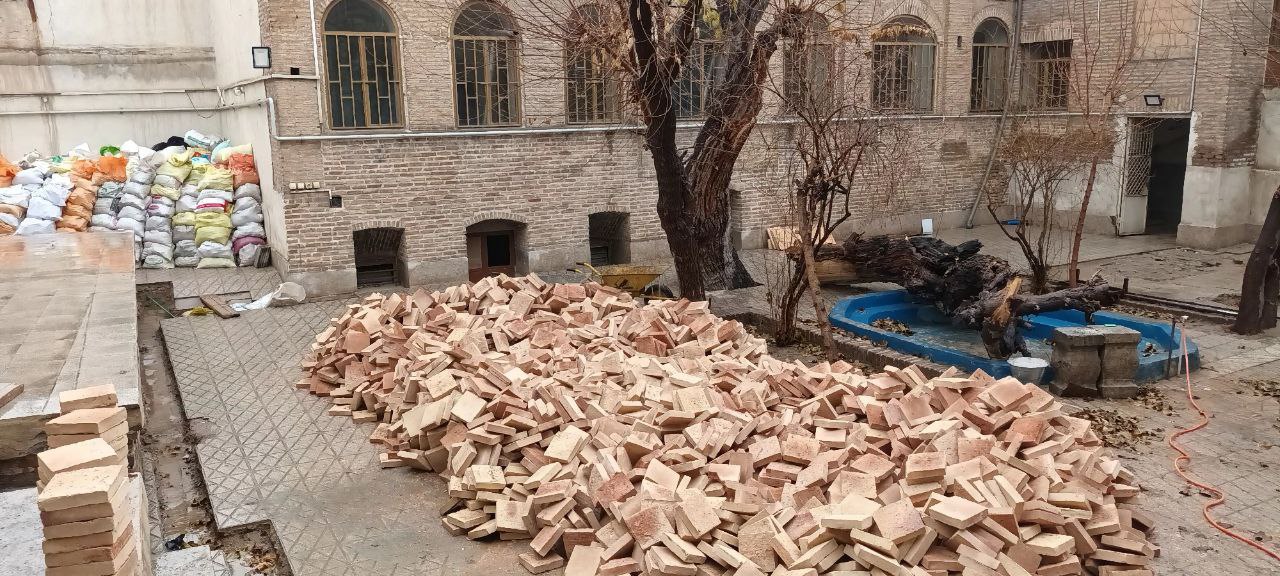
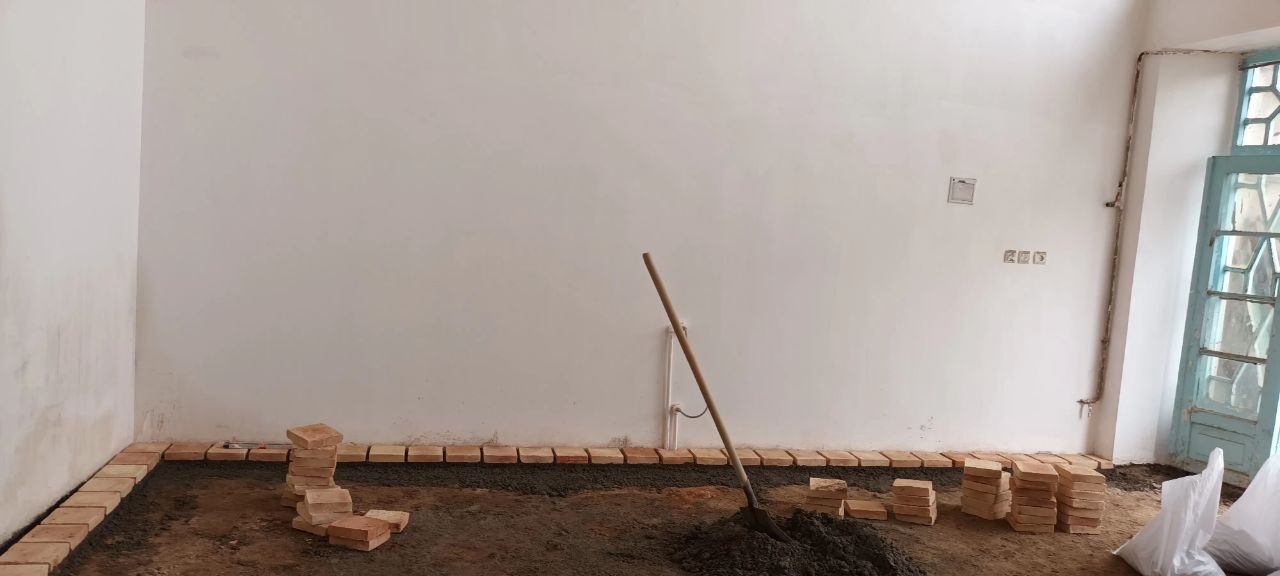
Despite the cold weather, the bricklaying for the floors of the Blue Hall (Haroun Yashayaie) and the Matzah bakery (Habib Levy) began on Thursday, January 1st. To match the complex's Qajar-era atmosphere, these bricks were specifically ordered from a factory in Kashan, ensuring the building is as magnificent and beautiful as possible for tourists and visitors. The wooden windows for these spaces are currently being manufactured and restored.
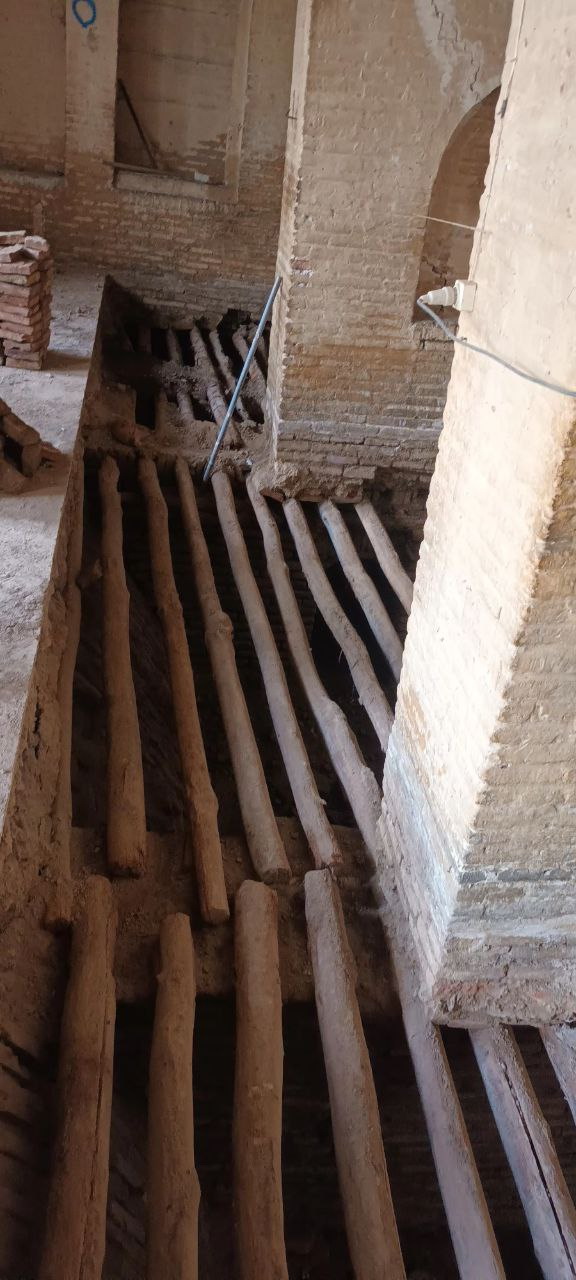
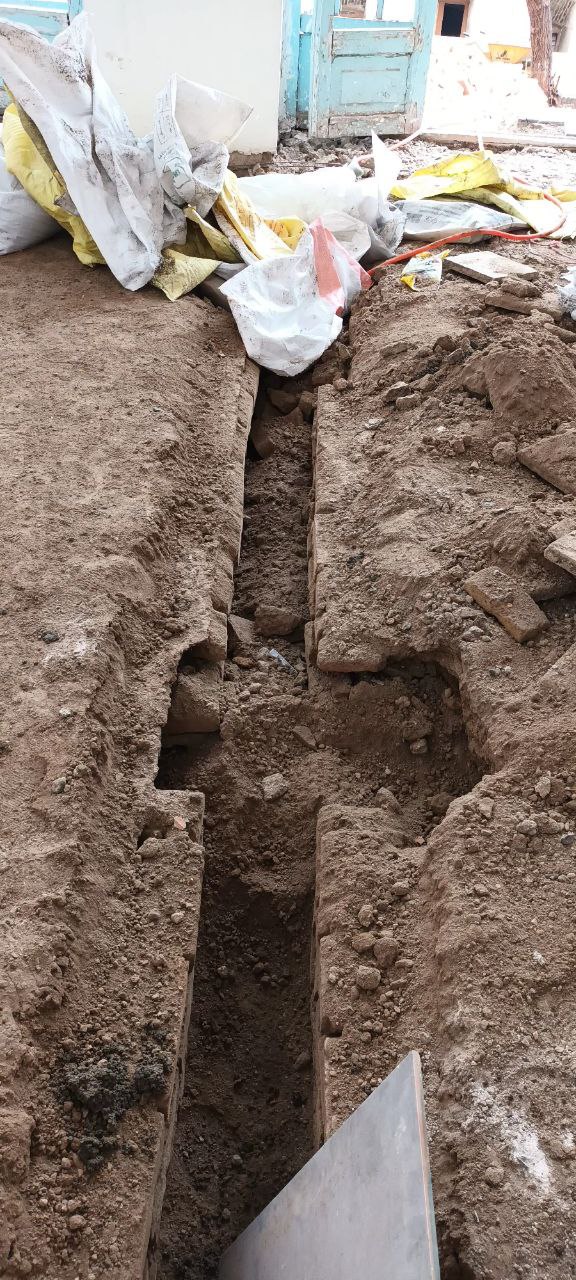
As mentioned previously, the building's moisture, which had left its mark on the walls, was a primary concern for the restoration team from the very beginning. On Friday, during the removal of the Blue Room's floor, channels known as "Gorbeh-ro" (cat-walks)—a staple of Qajar architecture used to ventilate building moisture—were identified by Engineer Behrouz Marabaghi, the head of the restoration project. They were reopened to resume their vital role in extracting moisture and strengthening the structures. The pointing of the southern walls is also continuing.
Marjan Yashayaie, Member of the Board of Trustees of Oudlajan’s Historical Synagogues
Diary of Restoring the Ezra Yaghoub Historical Complex, No. (29)
Beautiful and More Beautiful
Over the past month, thanks to God and the help of you, our fellow community members passionate about Iran's Jewish historical heritage, another major step was taken at the Ezra Yaghoub historical complex.
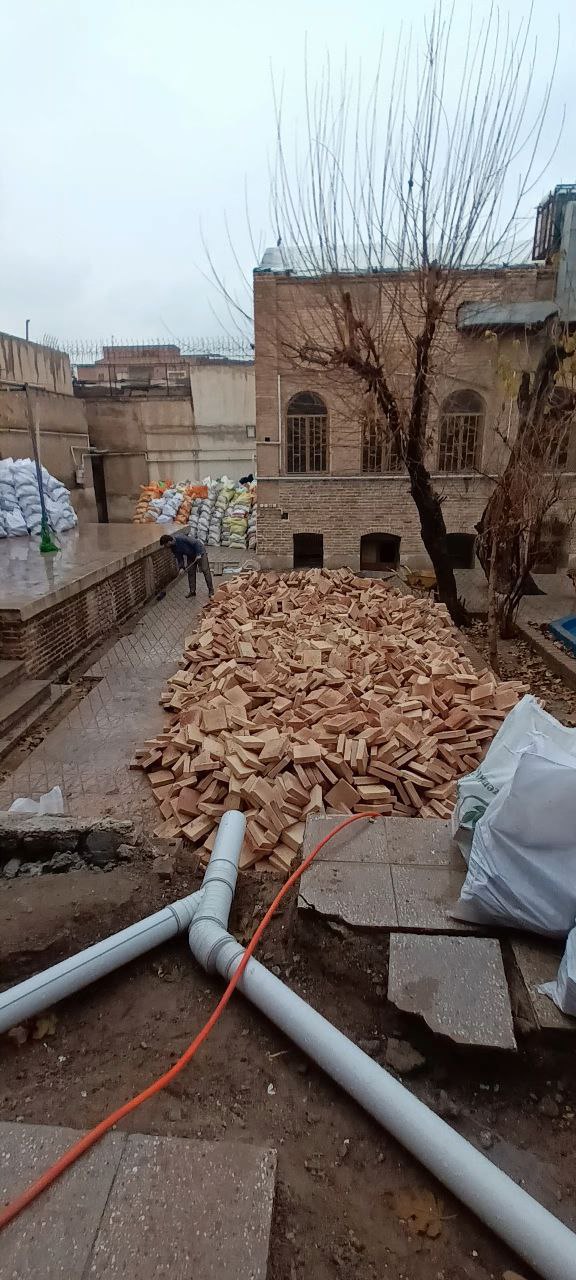
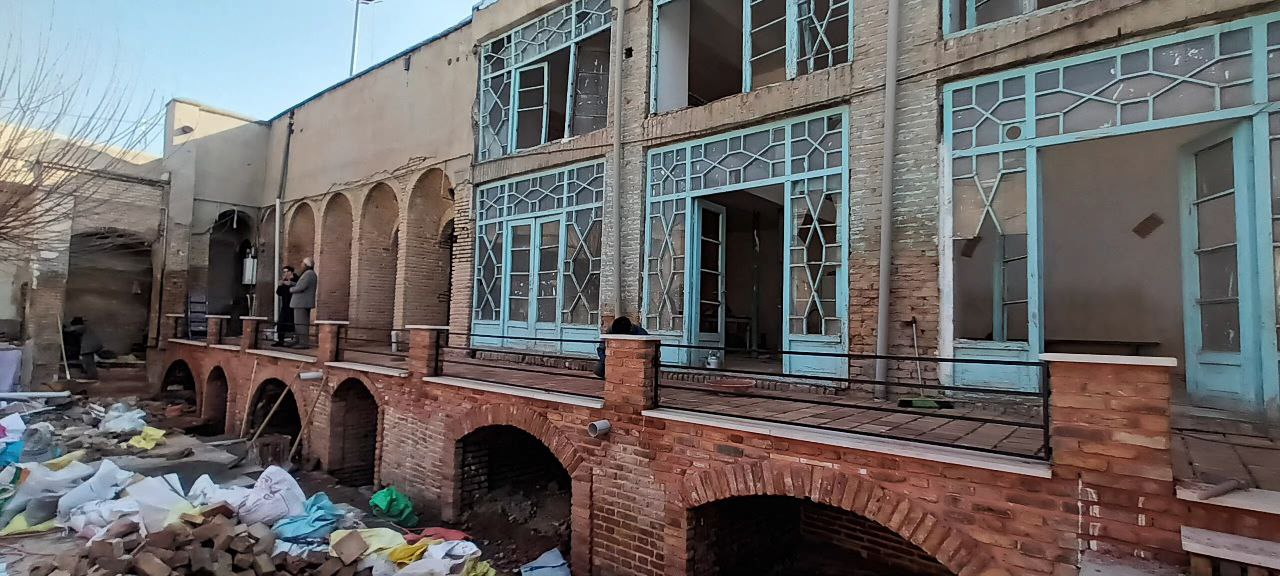
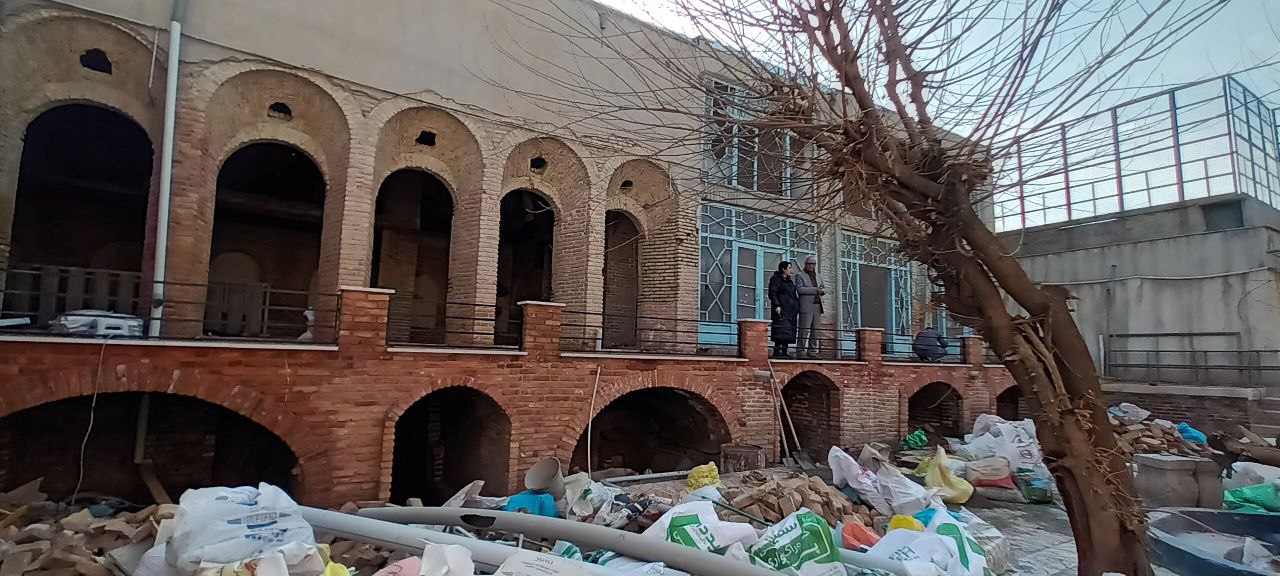
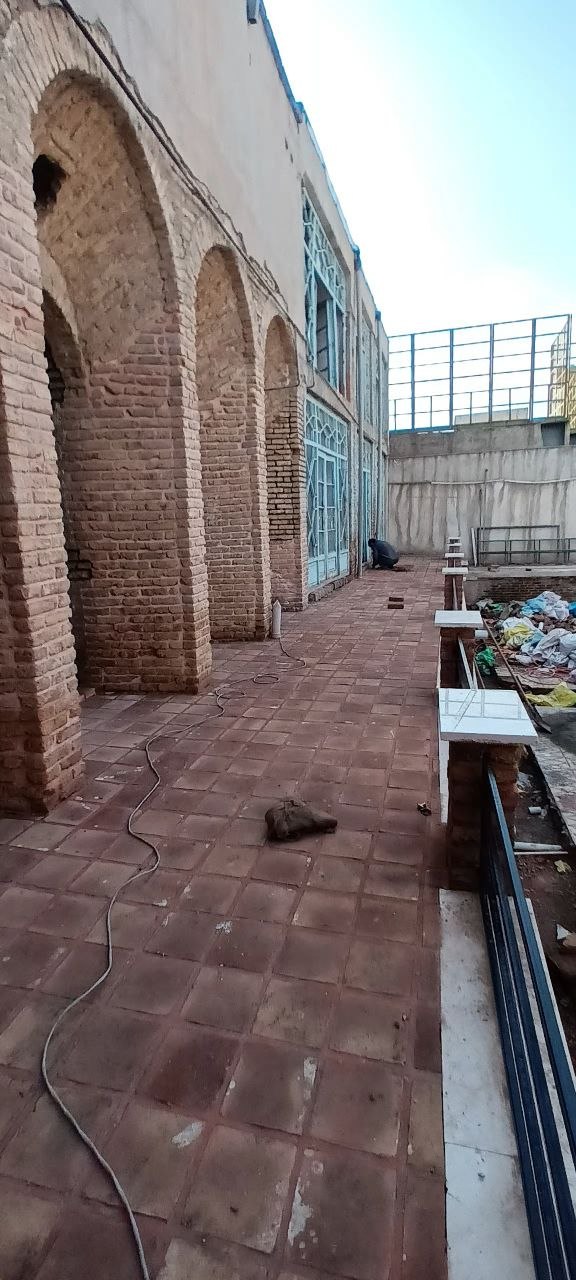
After completely replacing the plumbing and sewage pipes and completing foundational infrastructural work, the bricklaying of the floors in the Matzah bakery (Habib Levy Library), the Blue Hall (Haroun Yashayaie Assembly Hall), and the southern platform has been completed. The balcony has been defined with beautiful railings and half-columns. Now, the arched frames beneath the southern platform are beautifully finished. After some final restoration touches—like scraping residual cement from the brick walls, pointing, and installing top-quality wooden windows and doors—we will undoubtedly have a much more magnificent and beautiful structure before us.
Our hope is to reopen the complex before the Nowruz holiday. The restoration began in April 2024, and all these achievements, including the discovery of the largest cistern in Oudlajan and the Mikveh, alongside the principled restoration of the southern section, have been accomplished in less than a year.
Diary of Restoring the Ezra Yaghoub Historical Complex, No. (30)
The Work Continues Uninterrupted
Since our last diary entry in late February 2026, we have witnessed many events in our beloved country. The US-Israel war with Iran brought us bitter experiences and memories, but the restoration of the Ezra Yaghoub historical complex did not stop for a single day, thanks to the dedication of those who care about our cultural heritage, especially the esteemed Habib Levy family (descendants of Ezra Yaghoub).
While the labor crisis resulting from the war halted the removal of the courtyard floor, our master mason plastered and pointed many other areas, including the cistern and Senoubar Hagh-Nazar's Mikveh. Consequently, the Habib Levy Library (once the windows are installed), the Haroun Yashayaie Assembly Hall, the Mikveh, and the cistern are now ready to be furnished. The next steps will focus on the courtyard, restrooms, and then the restoration of the northern section, which includes the main synagogue and basements. We hope to open the complex for domestic and foreign journalists to visit as soon as possible.
Marjan Yashayaie, Member of the Board of Trustees of Oudlajan’s Historical Synagogues
Diary of Restoring the Ezra Yaghoub Historical Complex, No. (31)
Moving to the Courtyard After Restoring the Southern Section
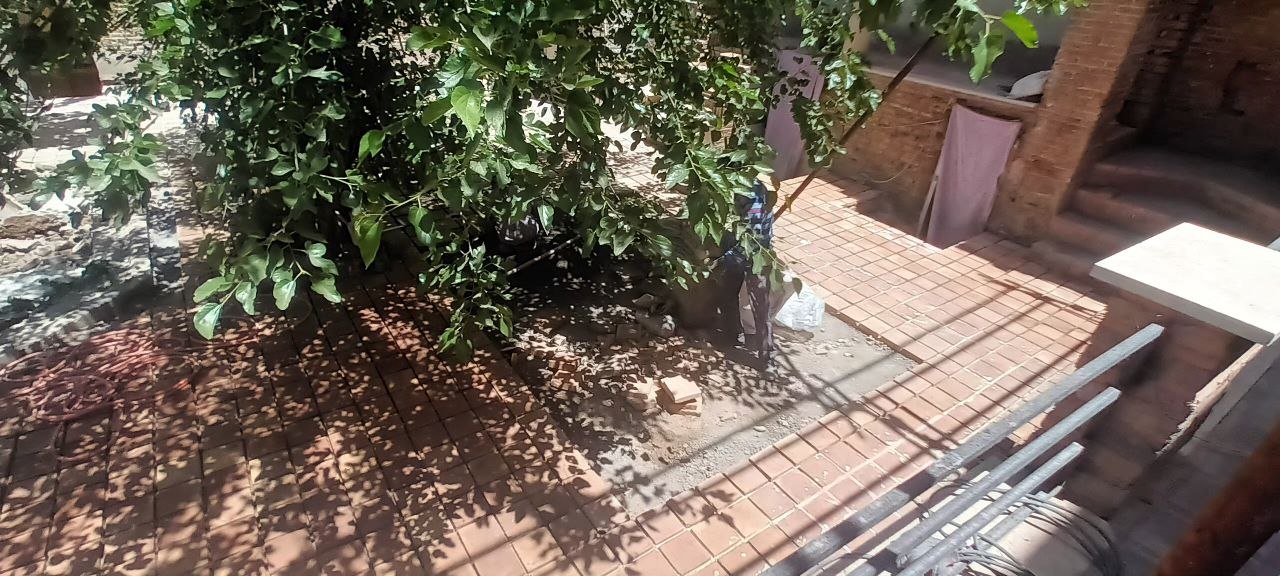
Despite the problems caused by the 40-day war and the expulsion of mostly Afghan workers from the country, work at the Ezra Yaghoub complex continues without interruption. After completing the restoration of the Habib Levy Library, the Haroun Yashayaie Assembly Hall, Senoubar Hagh-Nazar's Mikveh, and the museum and cinema hall (the cistern), it is now time for the courtyard floor.
Following the advice of Engineer Behrouz Marbaghi, the head of the restoration project, the courtyard's mosaic floor was removed. Beneath the mosaics, we found sections that still retained Qajar-era bricks. We are currently repaving the floor—using those original bricks for part of it, and replica bricks (ordered from a factory specializing in historical building materials) for the rest.
As a war memorial, several bricks from the destroyed Rafie-Nia Synagogue have been brought to the Ezra Yaghoub complex and will be incorporated into a separate section. We have not yet begun the interior design and furnishing of the spaces; this has been postponed until the restoration is fully complete.
We thank all our accompanying friends, especially the esteemed Levy family, the fourth generation of Ezra Yaghoub's descendants.
Marjan Yashayaie, Member of the Board of Trustees of Oudlajan’s Historical Synagogues
Diary of Restoring the Ezra Yaghoub Historical Complex, No. (32)
The Pace Accelerates and the Ezra Yaghoub Complex Opens Its Eyes
The war has calmed down, and the laborers who had fled Tehran due to the conflict have returned to work one by one. With more hope than before, we have accelerated the pace. The courtyard bricklaying is nearing completion, and the wooden windows of the Habib Levy Library have been installed, awaiting paint and handles to achieve perfect beauty. The master carpenter meticulously recreated the design of these windows from a late-1940s photograph found in the archives of the Alliance institution.
A massive amount of debris—about 10 truckloads, which was a major hurdle for us—has been removed. This was in addition to the 130 truckloads of dirt painstakingly removed from the cistern and Mikveh last year.
All this aside, the exhaustion of over 1.5 years of hard work vanished when, following our invitation, nearly a hundred community members flowed into the alleys of Oudlajan. Some of them, former residents of this very neighborhood, shared their memories with us and passionately encouraged us. They created sweet memories for us during the very first public tour of the under-restoration Ezra Yaghoub complex.
Now, we are determined to take the final steps to launch the southern section and furnish the Habib Levy Library. Today, Mr. Parviz Yeshayaie (Haroun Yashayaie) came to inspect the complex. (You can see a photo of him and Engineer Morabaghi, head of the restoration project, at the entrance).
The Habib Levy Library and the Haroun Yashayaie Assembly Hall are not yet furnished, and the restoration team has not yet entered the northern section (the main synagogue, which was Ezra Yaghoub's personal residence about 140 years ago). Stay tuned for future reports.
Marjan Yashayaie, Member of the Board of Trustees of Oudlajan’s Historical Synagogues
Diary of Restoring the Ezra Yaghoub Historical Complex, No. (33)
Finally Approaching Interior Design
Through tremendous difficulties, but fueled by the support of Iranian Jews both inside and outside the country—most notably the esteemed Levy family—the dedication of the Board of Trustees, and the perseverance of Engineer Behrouz Morabaghi, the restoration of the southern section (including the cistern, Mikveh, Matzah bakery/Habib Levy Library, and Blue Room/Haroun Yashayaie Hall) is gradually approaching the interior design and furnishing phase.
At this point, we must also extend our thanks to the Tehran Jewish Association, the Ministry of Cultural Heritage, and the Tehran Municipality.
We hope that in the near future, we can operationalize the cultural spaces of the southern section—including photo galleries, museum sections, a library, and a coffee shop—and offer the Ezra Yaghoub complex to enthusiasts at the highest possible standards. We still need the help and support of you, our dear friends.